

Explore our foundational range of premium self-adhesive substrates, optimized for high-speed labeling systems in Accra, Tema, and the wider ECOWAS region.



Ghana is rapidly transforming into a manufacturing and logistics hub within the West African sub-region, catalyzed by the African Continental Free Trade Area (AfCFTA) secretariat based in Accra. Industrial corridors such as the Tema Industrial Area, Kumasi Industrial Hub, and the oil-rich Western Region (Takoradi) are witnessing an unprecedented surge in domestic production. This growth spans fast-moving consumer goods (FMCG), pharmaceuticals, agro-processing (particularly cocoa and shea butter products), and petrochemicals.
As industrial output scales, the demand for high-performance adhesive labels in Ghana has transitioned from basic informational stickers to highly sophisticated, durable, and functional packaging components. Modern manufacturers require label materials that can withstand local climate challenges—specifically, high relative humidity (averaging 75% to 85% year-round) and elevated surface temperatures. Our technical engineering division has developed customized adhesive systems that ensure maximum tack and shear strength, preventing issues such as edge lifting, bubbling, and adhesive degradation under tropical storage and logistics conditions.
Furthermore, regulatory compliance has become a central focus for Ghanaian businesses. The Ghana Standards Authority (GSA) and the Food and Drugs Authority (FDA) Ghana enforce stringent packaging, marking, and labeling guidelines for food products, cosmetics, and medical devices. This includes clear specifications regarding barcode readability, batch number persistence, and chemical migration resistance. Utilizing sub-par adhesives and facestocks leads to supply chain blockages, regulatory audits, and significant revenue losses.
The lifecycle of an adhesive label in West Africa is subject to unique environmental stresses. A standard label designed for temperate climates will often experience adhesive crystallization, cohesive failure, or moisture penetration when subjected to the ambient conditions of West Africa. Understanding the material science behind the substrate and the adhesive polymer is vital for procurement managers who wish to avoid product recalls.
| Material Substrate | Primary Application in Ghana | Humidity Resistance | Temp. Tolerance Range | Compliance Standards |
|---|---|---|---|---|
| Coated Paper | FMCG, Retail, Price Labeling | Moderate (Requires topcoat) | -10°C to +70°C | FDA-compliant for dry foods |
| PET (Polyester) | Electronics, Asset Tagging | Outstanding | -40°C to +150°C | UL Recognized, ROHS, REACH |
| PE (Polyethylene) | Squeezable Bottles, Cosmetics | Excellent | -20°C to +80°C | FDA indirect food contact |
| PVC (Vinyl) | Outdoor Signage, Chemical Drums | Excellent | -30°C to +90°C | GHS Compliant, BS5609 |
The performance of any label relies heavily on the adhesive formulation. Standard acrylic adhesives can emulsify when exposed to constant moisture, resulting in slide and eventual detachment. To counter this, we utilize advanced Emulsion Acrylic and Hot-Melt formulations designed for high-shear stability and high-initial-tack performance. These adhesives form robust mechanical anchors with the packaging surface, ensuring structural integrity even when applied to irregular, contaminated, or condensation-heavy containers common in local beverage bottling operations.
For multinational corporations operating in Ghana or global enterprises sourcing packaging materials, reliability in the supply chain is critical. Sourcing packaging components from disparate suppliers can result in quality variations, printing discrepancies, and dimensional errors. Partnering with a comprehensive ODM/OEM label manufacturer minimizes supply chain complexity by offering standardized quality control systems.
Our manufacturing facility is equipped with automated high-speed flexographic and digital printing presses, ensuring color consistency and precision across millions of units. We maintain deep integration with global shipping networks, allowing for streamlined delivery to the Port of Tema and Kotoka International Airport. Furthermore, our product lines are certified to conform to international environmental and safety frameworks:
High-specification substrates engineered for challenging environments, extreme temperatures, and demanding industrial applications across Ghana and West Africa.
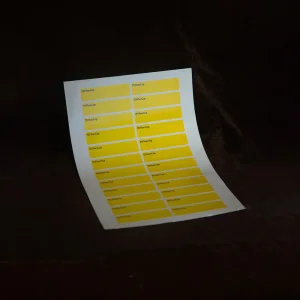


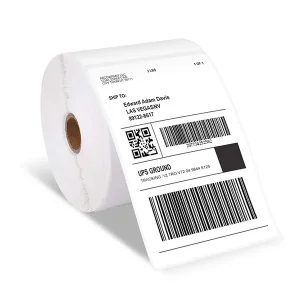
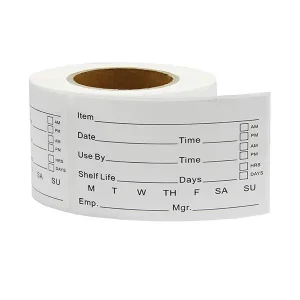

Different sectors have varying labeling requirements. Below are the customized strategies we implement to address the specific pain points of key industries in Ghana.
Ghana is the world's second-largest cocoa producer. As the country shifts toward exporting value-added products like chocolate, cocoa butter, and cocoa powder, premium packaging has become critical. Our labels utilize high-tack, direct-food-contact approved adhesives that remain stable when applied to matte pouches, tin canisters, and complex paperboards. These materials resist structural compromise from oil migration and environmental humidity.
The pharmaceutical manufacturing industry in Ghana is receiving significant state and international support to scale up domestic production of liquid medications, tablets, and topical treatments. Medical labeling demands absolute clarity, barcode readability, and anti-tampering solutions. Our range of secure wire, bottle, and vial labels conform to small-radius curved glass and plastic surfaces, preventing label lift and ensuring patient safety instructions remain legible.
With the rapid growth of e-commerce platforms and modern warehousing distribution networks near Accra and Tema ports, precise product routing and inventory management are critical. Our moisture-resistant direct thermal labels are optimized for warehouse printers. They produce high-contrast barcodes that resist smudging, exposure to direct sunlight, and friction during transport across rural and urban road networks.
Complementing our core self-adhesive materials, we provide comprehensive industrial printing solutions, brand identity collateral, and documentation systems.






As environmental sustainability becomes a core pillar of international trade, global standards are shifting. Consumers and regulators are increasingly questioning the lifecycle impact of plastic film labels and industrial adhesives. In response, our corporate product development roadmap for West African markets is focused on:
By integrating these technologies into your product supply chains in Ghana, your enterprise can qualify for green export certifications, improve its environmental footprint, and target eco-conscious consumer segments in global export markets.
Detailed technical answers to help sourcing directors, factory engineers, and quality assurance personnel make informed procurement decisions.