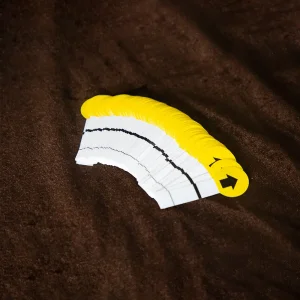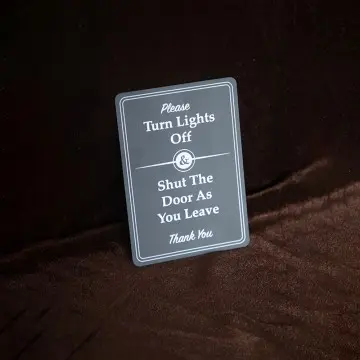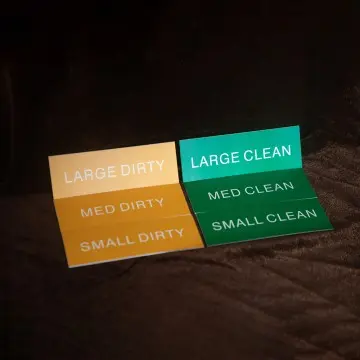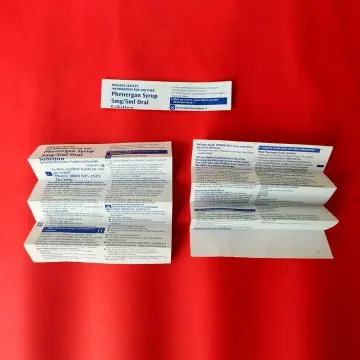
Explore our core engineered label substrates, environmental clothing displays, and technical micro-layer boards optimized for industrial standards.
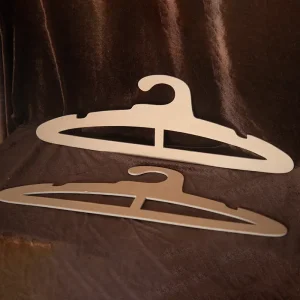
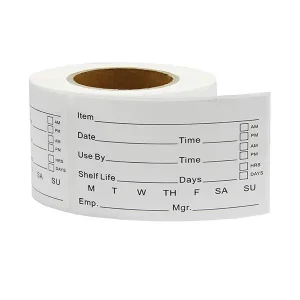
A comprehensive research analysis on the structural evolution, material properties, and supply chain dynamics of polyvinyl chloride foam signboards.
In modern structural communication, signage is no longer just a surface for graphics; it is an integrated engineering component designed to withstand environmental stress, chemical exposure, and mechanical load. Globally, the demand for expanded polyvinyl chloride (PVC) foam boards has witnessed exponential growth. Traditional wooden structures rot, acrylic cracks under impact, and aluminum plates introduce substantial weight and cost barriers. PVC foam board signs fill this operational gap by offering a superior strength-to-weight ratio and a closed-cell microstructure that repels liquid absorption.
From heavy-duty industrial warning placards to massive architectural wayfinding layouts inside multi-level shopping centers, these signs deliver high structural integrity. Their lightweight formulation makes installation safe and efficient, reducing structural anchoring costs. In addition, the chemically inert nature of PVC shields it from common industrial hazards such as oil splatters, alkaline washdowns, and acid rain deposition.
The global supply network for industrial signboards is increasingly focusing on structural consistency. Quality indicators like uniform core density, surface tension stability (measured in dyne levels), and lead-free additives define the reliability of raw materials. High-density boards (ranging from 0.45 g/cm³ to 0.75 g/cm³) ensure clean edge finishes when processed using CNC flatbed routers or laser cutters, avoiding core collapse or jagged edges.
Simultaneously, environmental regulations (such as RoHS and REACH compliance) are reshaping manufacturing processes. Modern formulation methods focus on replacing heavy-metal thermal stabilizers with eco-friendly calcium-zinc bases. This alignment with green procurement mandates enables global enterprises to scale their retail or warehousing operations while meeting corporate ESG targets.
A technical guide detailing the chemical, physical, and fire safety ratings of expanded PVC foam board signs used in industrial and commercial installations.
| Property Parameter | Standard Metric Reference | Industrial Grade PVC Foam Board Value | Significance to Visual Applications |
|---|---|---|---|
| Density Range | ASTM D792 | 0.45 – 0.80 g/cm³ | Ensures mechanical strength, reduces structural load on anchor fittings. |
| Tensile Strength | ASTM D638 | 12 – 20 MPa | Resists wind-loading and impact shearing in heavy industrial zones. |
| Flexural Modulus | ASTM D790 | 800 – 1200 MPa | Minimizes board bowing and warping under prolonged heat exposure. |
| Water Absorption Rate | ASTM D570 | < 1.0 % (Weight gain after immersion) | Prevents warping, structural swelling, and localized mold growth. |
| Flammability Rating | UL 94 Specification | V-0 (Self-extinguishing within 10 seconds) | Complies with commercial building fire codes and emergency exit safety. |
| Thermal Expansion Coeff. | ASTM D696 | 3.2 x 10⁻⁵ / °C | Allows accurate calculation of panel gap tolerances during outdoor wall mounting. |
| Surface Tension (Dyne Level) | ASTM D2578 | 38 – 42 dynes/cm | Ensures high adhesion for UV-cured digital printing inks and laminates. |
Interactive catalog showcasing our specialized printing and material capabilities across diverse industries.
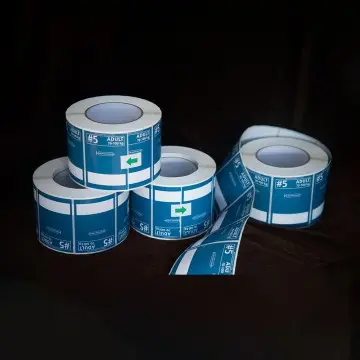
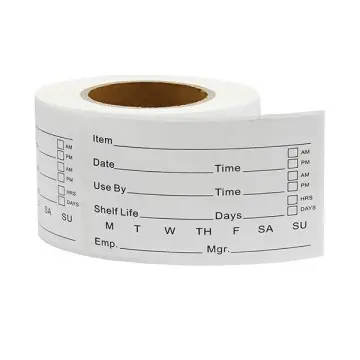
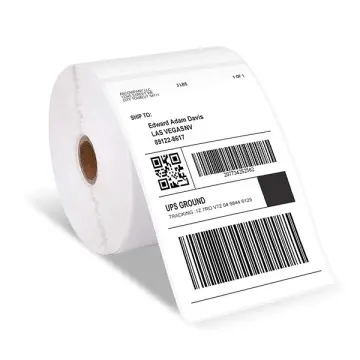
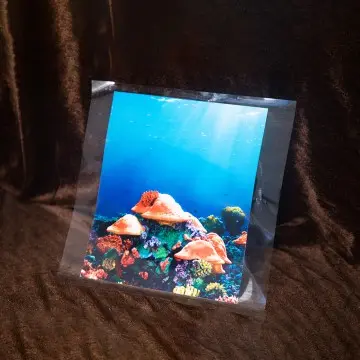

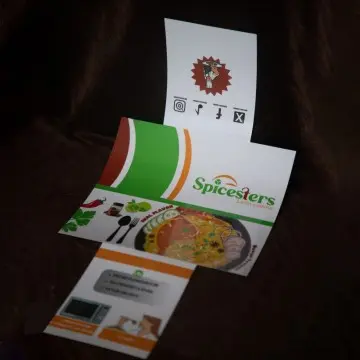
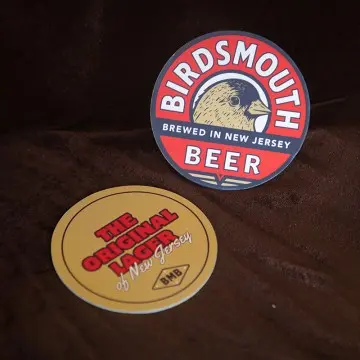
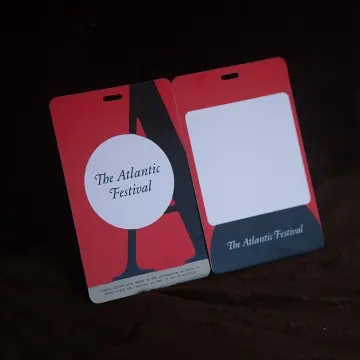
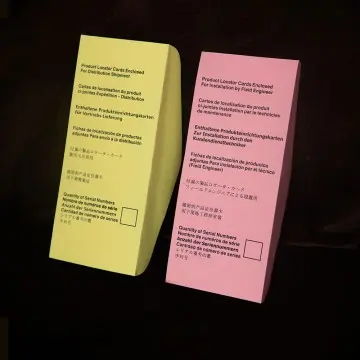

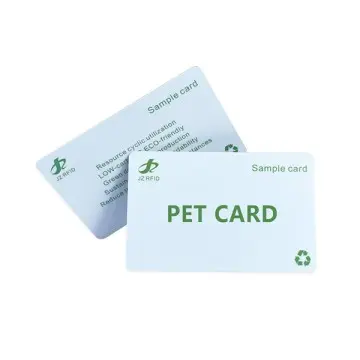
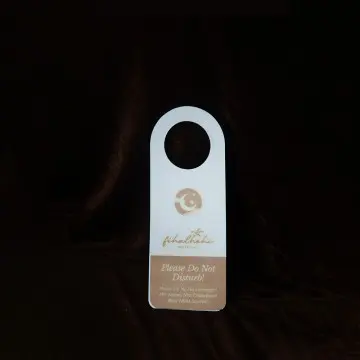
Established in February 1992, Xiamen Lianhua Printing Co., Ltd. has stood as a pioneer in advanced labeling solutions, dual-color sign substrates, ticketing media, and technical manual production. With 32 years of refining our production capabilities, we support complex design and customization requirements through our unified OEM/ODM process. Our workflow ensures that clients receive tailored material solutions optimized for specific environments.
Our core mission revolves around "Customer First, Quality First, and Integrity-Based" leadership. We drive growth by integrating automated processing systems, using advanced UV ink curing systems, and maintaining strict quality control. From handling bulk commercial orders to manufacturing high-tolerance industrial identification plates, we provide reliable support throughout the production cycle.
Contact our technical sales team for custom dimensions, custom print runs, and custom volume pricing.
Providing custom labeling, ticketing, and industrial sign systems engineered to perform in demanding environments.

Flexible to meet individual requirements, providing tailored material and dimension profiles.

Selected environmentally friendly substrates and imported special materials ensure reliable product options.

Serving the food, electronics, medical, and packaging sectors, adapting to multiple specifications.

Automated manufacturing lines ensure consistent processing quality and dimensional accuracy.

Technical support and responsive service ensure a smooth development process from start to finish.
How different industrial fields deploy our PVC and adhesive substrates for visual identification, tracking, and compliance.
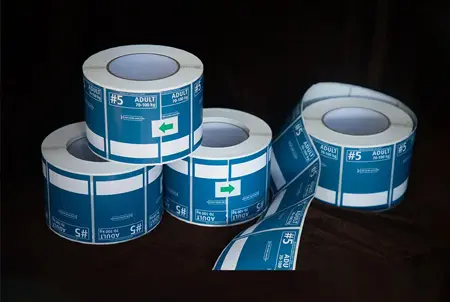
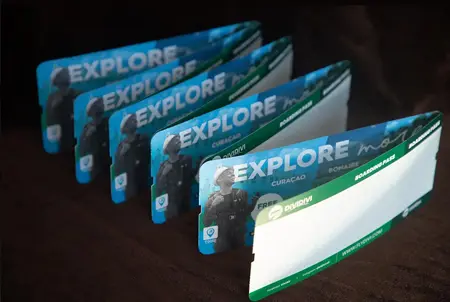
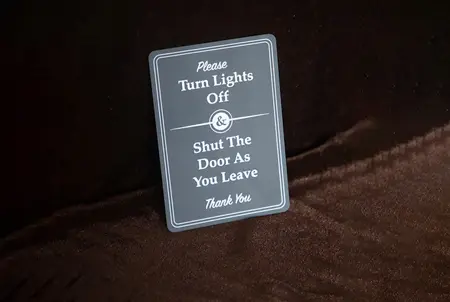

Contact us to discuss your design requirements and receive a detailed quote.
Documenting our compliance with environmental standards and our manufacturing workflow.
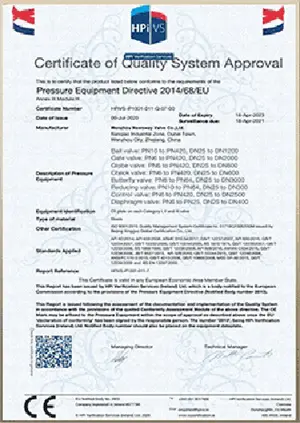
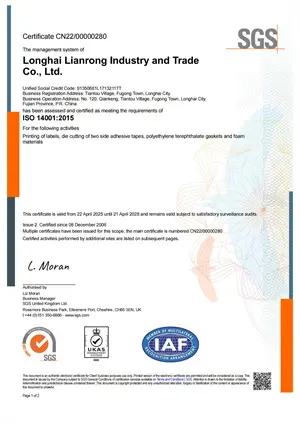
Analyzing key structural factors, processing methods, and functional properties that affect long-term outdoor performance.
Modern co-extrusion technology bonds high-density PVC outer skins with a controlled micro-foam core. This creates a smooth surface for direct UV printing while retaining the lightweight properties of the expanded core.
Surface treatment adjusts dyne levels to optimize ink drop wetting. Cured UV inks bond strongly to the PVC matrix, helping prevent fading and peeling caused by sun exposure and rain.
Flame-retardant additives help satisfy building safety requirements (UL 94 V-0). The closed-cell structure prevents water absorption, making the boards resistant to rot and dimensional changes in humid conditions.
Analyzing how different environments utilize expanded PVC foam sign boards and high-strength labels.
Industrial nameplates, safety markers, and machine control panels.
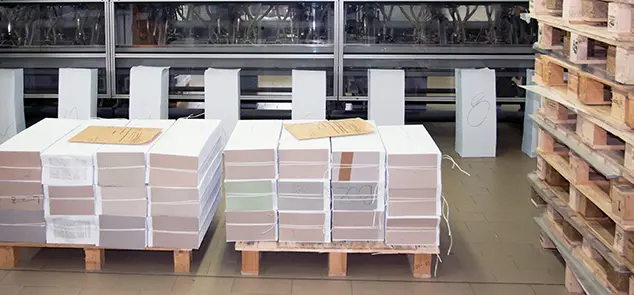
Warehouse location signs, pallet tags, and heavy-duty labels.
Custom product sleeves, retail display tags, and brand cards.
Wayfinding indicators, desk nameplates, and organization systems.
Technical answers to common questions about PVC foam board signs, material capabilities, and printing systems.
Standard foam core board consists of a polystyrene core sandwiched between two paper sheets, making it vulnerable to moisture and folding. PVC foam board (or Expanded PVC) is a solid, homogeneous sheet of closed-cell polyvinyl chloride. It is rigid, moisture-proof, and designed to withstand outdoor weathering without delamination.
We maintain strict quality control at our raw material source. We require environmental testing declarations from our plasticizer and thermal stabilizer partners, ensuring our materials remain lead-free and free of restricted chemicals.
Under normal outdoor weather conditions, a high-density PVC board can last between 5 to 7 years without significant structural breakdown. Adding protective coatings like UV-cured laminations helps prevent color fading and extends the lifespan.
Yes. They are compatible with CNC routing and mechanical die-cutting, which yield clean, non-burned edge profiles. While laser cutting is possible, it must be performed with proper ventilation systems to manage exhaust, making CNC routing the preferred industrial choice for clean edge profiles.
We process a wide range of substrates, including PET, PVC, Polycarbonate (PC), high-density ABS dual-color boards, and heat-resistant polyimides, ensuring compatibility with freezer labels, high-temperature tracking labels, and durable industrial signs.
Explore our specialized range of high-strength adhesives, industrial engraving sheets, and information packaging solutions.