

Deep Analysis: The Strategic Role of High-Quality Conference Name Badges in Global Industries
In the modern corporate ecosystem, event management, and secure facilities coordination, the identity credential is no longer merely a slip of paper. Modern high-quality conference name badges serve as a complex nexus of physical security, brand representation, spatial access control, and active networking catalysts. Enterprise leaders now understand that badge systems function as the initial and most persistent brand touchpoint for participants, security personnel, and executive stakeholders alike.
Choosing the correct conference name badges company goes beyond purchasing a catalog item; it involves executing a comprehensive technical spec strategy. Modern identity systems incorporate material sciences to withstand diverse ambient environments (from high-heat exhibition floor lighting to unpredictable outdoor assemblies). Consequently, procurement directors must evaluate badges through performance indicators: tensile strength, scratch resistance, structural integrity during multi-day utilization, and compliance with dynamic environmental mandates such as ROHS and REACH.
Macro-Industry Solution Perspectives
Global summits require identity solutions that integrate with local infrastructure. Modern systems must bridge physical nameplates with electronic systems (such as RFID or NFC tags) and meet security standards. Whether executing a technology forum, a biomedical symposium, or an aerospace conference, the chosen media must accommodate security markers, variable data streams, and clear branding while remaining highly durable.
Global Commercial and Industrial Landscapes for Event Badging
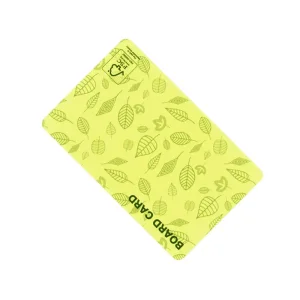
The global event badging and physical identification market has evolved due to rapid digital transformation. Today’s industrial landscape relies heavily on multi-layered security. Industrial applications demand materials that resist chemical corrosion, high thermal environments, and mechanical wear. For example, high-volume security credentials require polycarbonate (PC) structures due to their scratch resistance and durability, while temporary event credentials focus on recyclable PET or synthetic paper.
Geographically, procurement strategies must adapt. European organizations focus on strict circular economy principles and REACH regulations. Meanwhile, Asian manufacturing centers leverage advanced automated printing systems to deliver high-volume orders under compressed timelines. Organizations targeting international expansion must partner with manufacturers capable of maintaining compliance while providing consistent output quality across continents.