Engineered for high-durability print cycles, secure access control integrations, and harsh industrial environments.

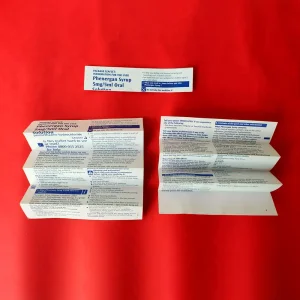

Established in February 1992, Xiamen Lianhua Printing Co., Ltd. has evolved over three decades into an industry-leading manufacturer specializing in comprehensive label printing, dual-color engraving boards, ticket passes, and high-security structural blank ID cards. Operating on the foundation of "Customer First, Quality First, and Integrity-Based", we deliver robust solutions that power the access systems, tracking mechanisms, and identity protocols of enterprises globally.
Our facility excels in cleanroom-compliant extrusion, precision laminating, and digital die-cutting. This guarantees that every blank card we distribute adheres to strict International Standard ISO/IEC 7810 ID-1 mechanical dimensions, maintaining zero micro-dust contamination for compatibility with thermal dye-sublimation and retransfer card printers.
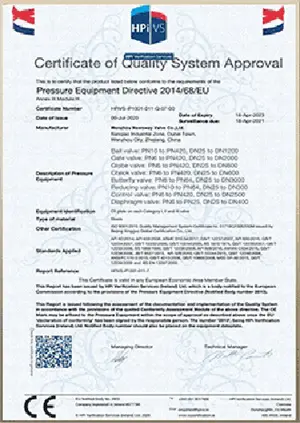
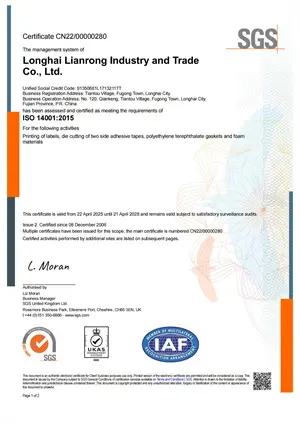
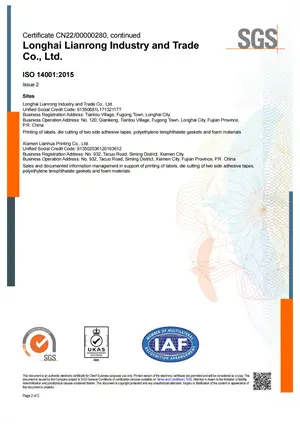
An expert analysis of material composition, chemical treatments, and mechanical standards required for enterprise identity management.
The base substrate of a blank ID card dictates its physical durability, operational lifespan, and printing compatibility. Modern access control and government projects specify different materials depending on the environmental exposure and security mechanisms employed.
| Material Type | Structural Lifespan | Optimal Printing Tech | Delamination Risk | Environmental Footprint |
|---|---|---|---|---|
| Standard PVC | 2–3 Years | Dye-Sublimation (Direct-to-Card) | Moderate | High carbon footprint, non-recyclable |
| Composite (PVC/PET Blend) | 5–7 Years | Retransfer, Laminating Systems | Low | Moderate, mixed components |
| PETG (Eco-Engineered) | 8–10 Years | Retransfer, UV Inkjet | Extremely Low | Fully Recyclable, halogen-free |
| Polycarbonate (Monolithic) | 10+ Years | Laser Engraving, Retransfer | Zero (Fused Matrix) | Highly durable, recyclable base |
A key challenge for security teams printing cards in-house is printhead damage caused by abrasive card edges or micro-dust particles. To counter this, our manufacturing line integrates non-contact ionizer air knives that neutralize static electricity, preventing ambient dust from adhering to the blank card surface during packaging. Additionally, our high-precision punching dies produce a radial beveled edge (radius of 3.18mm per CR80 specification), preventing direct impact on printhead micro-nozzles and extending printhead life by up to 40%.
Bridging Chinese manufacturing efficiency with stringent Western quality control and distribution networks.
Tailored sizing, pre-printed security backdrops, magnetic stripe encoding (LoCo/HiCo), and custom RFID chips integrated seamlessly inside the card layers.
Products built under strict green purchasing protocols, complying fully with RoHS and REACH regulations to support your sustainability goals.
Utilizing high-speed automated lamination and optical inspection lines. Real-time vision systems flag and reject cards with surface defects larger than 0.05 mm.
As identity credential security shifts toward multi-factor and biometric authentication, physical card bodies are evolving to integrate advanced security features:
Our comprehensive credential selection meets the strict regulatory requirements of various global industries:
How we combine advanced automated manufacturing, raw material supply security, and global freight networks to lower procurement costs.
Manufacturing blank ID cards at scale requires extreme precision and quality control. At our facility in Xiamen, China, we operate advanced cleanroom-enclosed co-extrusion lines. These systems continuously monitor card thickness, allowing us to maintain a strict tolerance of +/- 0.01mm. This prevents printer jam issues commonly found in low-grade products.
Our Factory 4.0 upgrade integrates automated optical inspection (AOI) systems directly into our card-punching machinery. Every card is scanned for surface micro-scratches, uneven gloss, and edge burrs before it is boxed. Rejected cards are automatically diverted to a closed-loop recycling system, reducing material waste and lowering manufacturing costs.
Additionally, our strategic port location in Xiamen gives us direct access to shipping routes across the Americas, Europe, and the Middle East. Through partnership contracts with ocean carriers and air freight providers, we ensure reliable delivery timelines even during peak shipping seasons.
Get in touch with our engineering team for customized thickness layouts, material testing reports, and bulk FOB/CIF pricing.
Contact Our Technical Advisors NowDirect technical answers from our R&D Department regarding card printers, material lifespan, and security features.
Standard PVC is cost-effective but can wrap under the high heat of retransfer printers and laminators. Composite cards combine PVC with 40% PET, which increases flex life and heat resistance. This prevents wrapping during high-temperature printing processes.
High surface roughness (Ra > 1.2µm) causes ink droplets to scatter unevenly, resulting in micro-voids and spotty colors. We polish our card sheets to maintain an average Ra of less than 0.8µm, which ensures uniform ink coverage and sharp barcode printing.
Yes, our cards are built to CR80 standard specifications (85.6mm x 54mm x 0.76mm). They are compatible with all major printer brands, including Fargo, Zebra, Evolis, Magicard, and Matica, using both direct-to-card and retransfer technologies.
We blend UV-stabilizing additives directly into our PVC raw material formulation. This prevents yellowing and degradation, allowing cards stored in dry, cool conditions (between 15°C and 25°C) to remain in optimal printing condition for up to 5 years.
Explore our complete product catalog, featuring eco-friendly PET variants, durable polycarbonate options, and industrial labeling substrates.