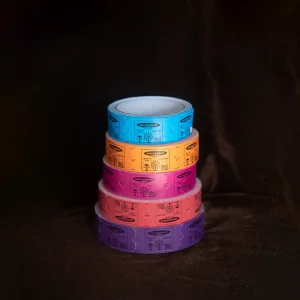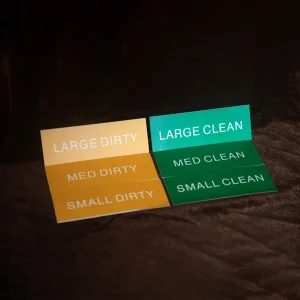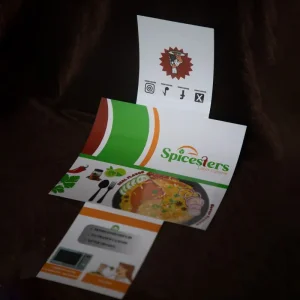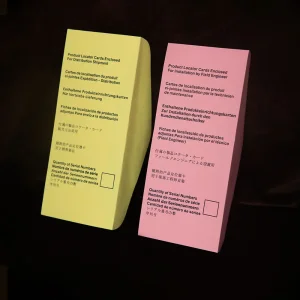
Premium medical labeling, synthetic papers, and identification systems supporting custom sterile device validation.
In the highly regulated arena of global wound care management, the role of a custom surgical gauze company has transitioned from supplying basic woven commodities to engineering high-precision medical devices. Today’s surgical dressings require strict sterilization validation, zero-contamination packaging, and absolute traceability from factory floor to operating rooms. To maintain a competitive edge, medical brands must look beyond the basic weave metrics to analyze the systemic integration of raw cotton sourcing, advanced polymer technology, sterilization compliance, and the structural integrity of packaging materials.
The global wound dressings market is undergoing a profound shift. Traditional cotton-based woven gauze continues to dominate high-volume surgical settings due to its unmatched fluid capillary draw and structural stability. However, advanced clinical protocols are increasingly adopting non-woven, polyester-rayon blends, and super-absorbent fiber (SAF) technologies. The consolidation of Group Purchasing Organizations (GPOs) in North America and European healthcare corridors has forced custom surgical gauze manufacturers to provide highly customized configurations—ranging from varying ply structures (8-ply, 12-ply, 16-ply) to the integration of blue barium sulfate radiopaque lines that allow surgical teams to detect misplaced swabs under X-ray imaging.
Parallel to material advancement is the critical transformation of medical device packaging. Modern surgical dressings require complex multi-barrier medical packaging to prevent punctures during long-transit shipping. Custom medical packaging must sustain variable physical environments, ranging from cryogenic storage down to high-temperature autoclave sterilization, without compromising the sterile seal. This calls for highly stable synthetic labeling solutions and moisture-resistant barrier layers that survive EO (Ethylene Oxide) gas, Gamma irradiation, and Steam processes.
"Surgical dressings do not perform in isolation. The efficacy of custom surgical gauze relies heavily on its sterile containment, clear diagnostic instruction guides, and barcode identification labels that remain readable at all stages of the medical cold chain."
When selecting a custom surgical gauze partner, clinical procurement managers must look at biocompatibility standards defined by USP (United States Pharmacopeia) and EP (European Pharmacopoeia). Raw medical gauze must be free of toxic chemical binders, optical brighteners, and starch additives. The bleaching process itself must run on a Chlorine-Free (TCF/ECF) protocol to avoid cytotoxic reactions when in direct contact with open cardiovascular tissue or deep organs.
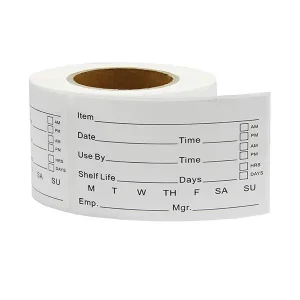
Equally critical is the selection of packaging labels and instruction sheets. Ordinary commercial stickers degrade when exposed to the sterilization modalities used on surgical gauze. Synthetic paper labels engineered from top-coated polypropylene (PP) or polyethylene (PE) provide superior moisture resistance, tear strength, and chemical durability. When processed via Ethylene Oxide (EO), the adhesive must allow gas exchange without leaving sticky residues or bubbling up. Our high-translucency and low-temperature freezer labels are engineered to withstand these precise thermal and chemical shifts, ensuring that barcodes and batch numbers remain sharp and fully readable by hospital scanning systems.
As sourcing portfolios diversify, China's medical supply manufacturing has adapted by upgrading to Smart Factory 4.0 architectures. Modern factories integrate raw yarn spinning, water-jet loom weaving, automatic cutting, and cleaning in class 100,000 cleanrooms. This vertical integration mitigates the risk of biological contamination and particulate presence, which can lead to postoperative infections.
Furthermore, supply chain resilience is anchored in lean manufacturing and one-stop OEM/ODM printing ecosystems. High-volume custom surgical gauze factories integrate the medical dressing lines directly with advanced inline printing systems. This ensures that custom instruction manuals, sterile backing papers, and identification barcodes are manufactured simultaneously under the exact same sterile ISO protocols. By managing cotton processing and high-performance synthetic packaging printing in a single geographic hub, brands eliminate multi-vendor shipment delays, reduce transit damage, and achieve a robust pricing structure that absorbs macroeconomic shipping shocks.
The clinical demands on surgical gauze differ wildly based on the localized treatment point:
Leveraging 32 years of high-performance printing, custom packaging, and materials engineering expertise.
We provide comprehensive ODM/OEM design, tailored dimensions, precise material selection, and flexible layout services to fit specialized clinical workflows.
Our raw materials comply fully with RoHS and REACH regulations. We enforce green purchasing and lean production protocols for all clinical components.
Founded in 1992, we offer deep printing expertise, producing robust labels, instruction manuals, and medical board packaging with long-term validation.
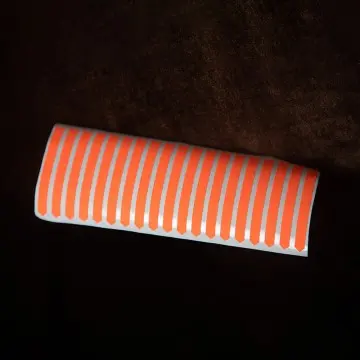
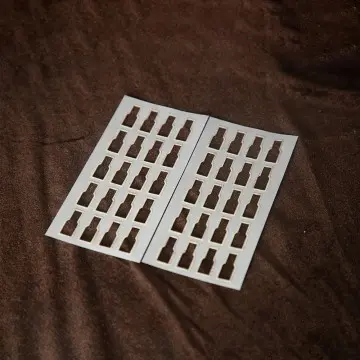
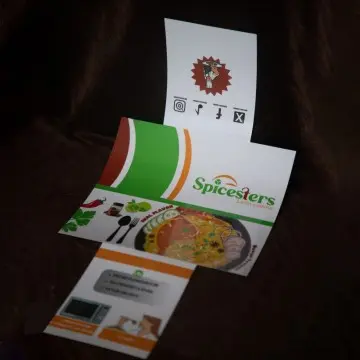
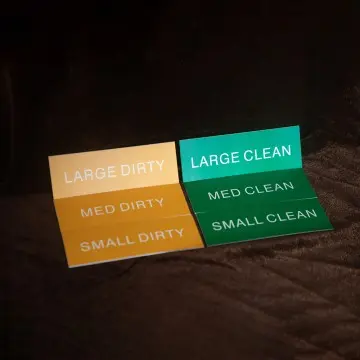
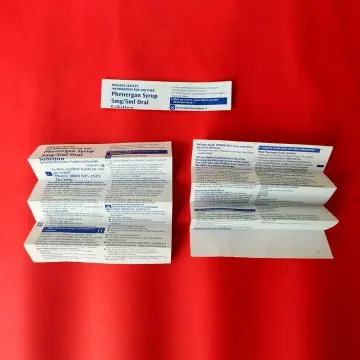
Explore our core medical accessories, sterile labels, high-strength industrial cards, and dynamic instruction guides.






Take a virtual tour of our high-speed precision printing and assembly facilities.
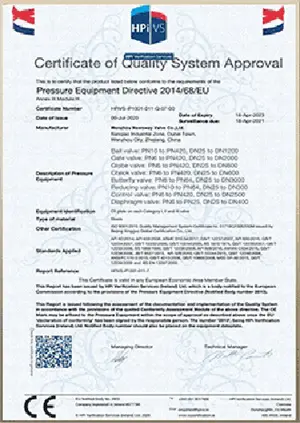
Strict quality systems, environment-friendly processes, and high compliance ratings.
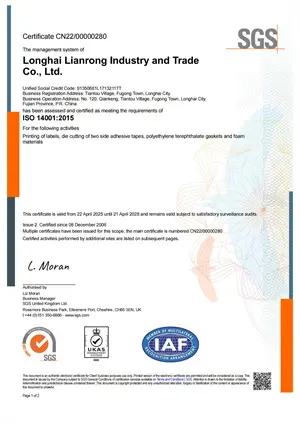
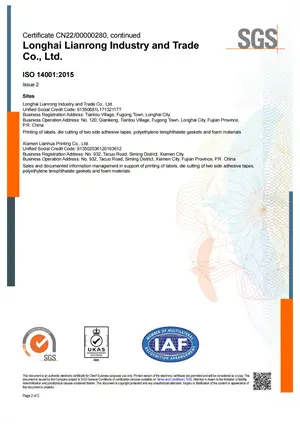
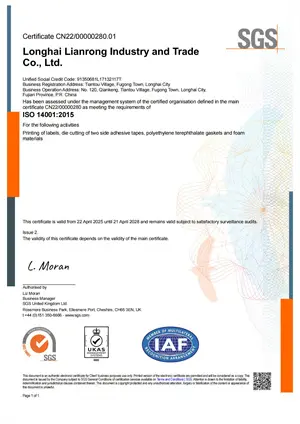
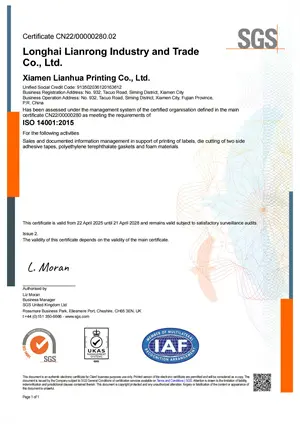
Detailed insights on material specifications, sterilization compatibility, and custom logistics for surgical gauze sourcing.
Sterile-grade barrier films, container wrappers, eco-friendly PET cards, and high-performance instructions sheets.