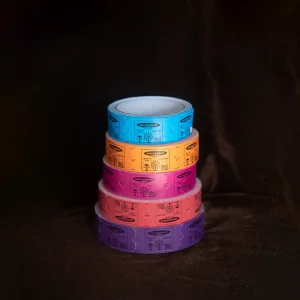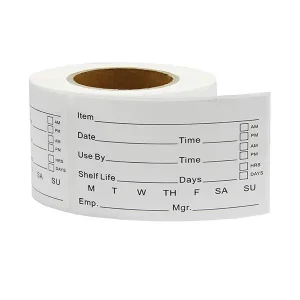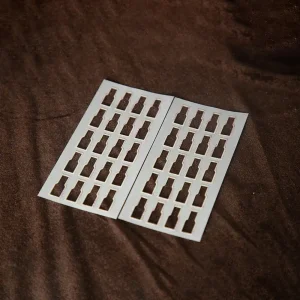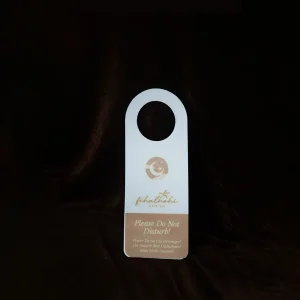
Explore our foundational range of security products, synthetic paper cards, and precision-manufactured adhesive solutions engineered to perform under strict enterprise protocols.
In the modern corporate and institutional ecosystem, the identity card has evolved from a simple visual validation mechanism into a complex edge device. Security protocols globally demand that custom photo ID cards represent the first line of defense in physical access control and asset management systems. Commercial ID card printing is no longer isolated to printing ink on plastic; it is a multi-layered science involving raw polymer manufacturing, data transmission technology, and secure print architectures.
Globally, the market demand for photo ID cards is driven by structural shifts in regulatory compliance, corporate mergers, and international border security requirements. Industrial manufacturing hubs, specifically within advanced manufacturing corridors in China, have automated these processes. Facilities now utilize smart inline printing systems that fuse variable digital identity profiles with structural card cores. This integration allows companies to minimize cycle times while handling large-scale orders from municipal governments, multinational corporations, transport networks, and higher education campuses.
From an operational standpoint, the cost structure of identity card supply chains depends heavily on raw material sourcing. Polymer pricing, substrate processing technologies, and logistics stability determine the overall cost of ownership for large organizations. Consequently, enterprise procurement departments look for reliable manufacturing partners who can guarantee consistent chemical composition, thermal stability, and exact visual calibration across large batch productions.
Substrate selection determines the operational lifespan, security level, and durability of a custom photo ID card. In security printing, three primary thermoplastic polymers dominate the market: Polyvinyl Chloride (PVC), Polyethylene Terephthalate (PET), and Polycarbonate (PC). Understanding their chemical composition is essential for aligning product selection with organizational requirements.
Selecting the right polymer changes the product's performance and service life. A pure PVC card may crack after 24–36 months of regular use, whereas composite PET/PVC configurations generally double the lifetime under physical stress. Polycarbonate cards can last over 10 years, making them ideal for national identity programs and driver’s licenses where durability is critical.
Contemporary access systems require more than visual photo verification; they rely on electromagnetic and digital communication methods. Modern custom ID cards serve as the access point for both physical and logical networks. Integrated circuits embedded within polymer layers have transformed standard plastic cards into encrypted access credentials.
Radio Frequency Identification (RFID): RFID operates across low (125 kHz) and high (13.56 MHz) frequencies. High-frequency RFID cards comply with ISO/IEC 14443 and ISO/IEC 15693 standards, enabling secure, contactless communication. Smart cards feature microcontrollers that run security programs to prevent unauthorized scanning and cloning.
Near Field Communication (NFC): NFC technology uses 13.56 MHz frequencies to communicate directly with mobile devices and desktop readers. This interface allows for secure access control, contactless payments, and direct verification of digital certificates without requiring dedicated proprietary hardware interfaces.
Multi-Technology Hybrids: To ease transitions from legacy access systems to modern setups, factories produce hybrid cards. These integrate low-frequency proximity coils, high-frequency smart microchips, and magnetic stripes on a single card. Achieving this integration requires precise thickness control (800 microns ± 40 microns) to ensure the embedded components remain secure and functional under physical stress.
High-security printing requires high-resolution imaging and sophisticated anti-counterfeiting features. The goal is to make cards easy to verify but difficult for unauthorized parties to duplicate.
High-Definition Re-transfer Printing: Re-transfer technology prints images onto a flexible film, which is then thermally fused to the card's surface. This method produces borderless, high-resolution prints on uneven surfaces, such as cards with embedded RFID chips, while protecting the print head from damage.
Micro-Text and Guilloche Patterns: Security printing incorporates high-resolution micro-text and complex guilloche patterns that cannot be copied by standard digital scanners. These features are verified using magnifying loops at control points.
Ultraviolet (UV) and Infrared (IR) Fluorescent Inks: Logos and secure credentials can be printed with specialty inks that remain invisible under normal lighting. When exposed to specific UV (365nm) or IR light sources, they fluoresce, allowing security staff to quickly verify the card's authenticity.
Holographic Overlays and OVI: Optically Variable Inks (OVI) and custom holographic laminates display color shifts and visual patterns when viewed from different angles. These features protect the card's surface from physical alterations and print tampering.
Organizations require customized identification solutions tailored to their specific operational environments. Below are the primary sectors using custom ID cards:
The security printing industry is shifting toward materials and systems that support mobile-to-physical credential matching, decentralized identity verification, and environmental sustainability.
Biological Polymer Substrates: Standard petroleum-based PVC is being replaced by biological polymers and recycled PET. These sustainable options reduce carbon emissions during manufacturing while maintaining durability and print quality.
Decentralized Cryptography: Modern smart cards support cryptographic keys linked to blockchain identity systems. This technology enables offline verification of critical information without exposing personal data.
Biometric Integration: Future security cards will feature thin, flexible fingerprint sensors built directly into the polymer structure. The card only transmits access signals once the cardholder's fingerprint is verified, eliminating the risk of lost or stolen credentials.
Established in 1992, we combine 32 years of manufacturing experience with modern, sustainable practices to deliver high-quality identification and printing solutions.
Established in February 1992, Xiamen Lianhua Printing Co., Ltd. is a comprehensive printing enterprise specializing in the production of high-performance sticker printing, ABS engraving labels, ticket systems, and specialized label packaging. With 32 years of production experience, we have developed manufacturing capabilities that support ODM/OEM one-stop services, delivering customized solutions that meet complex industrial demands.
Our commitment to quality control, engineering precision, and environmental compliance drives our daily operations. We serve global supply chains by manufacturing products that remain durable and legible under harsh physical and environmental conditions.
Management Philosophy: Customer First, Quality First, and Integrity-Based.
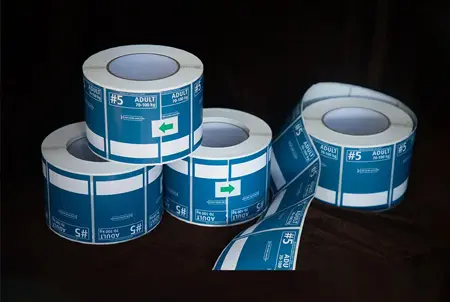
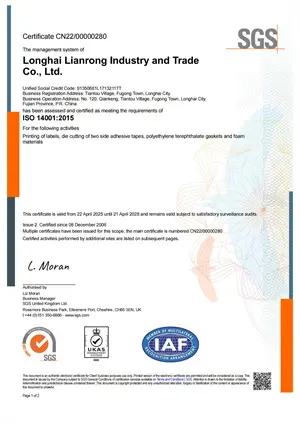
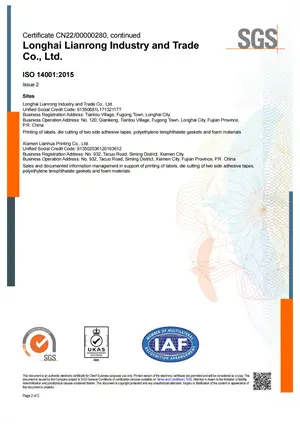
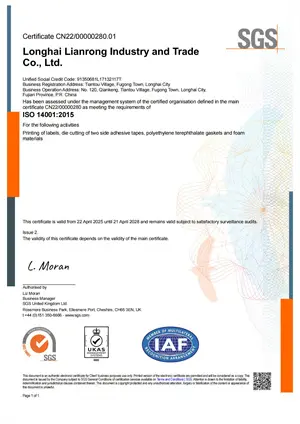
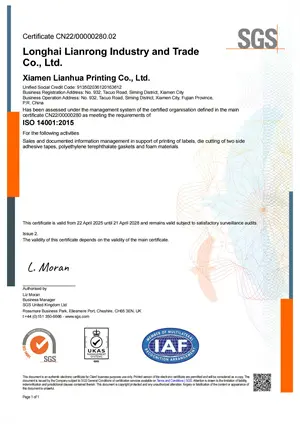
We focus on environmental sustainability, managing our purchasing and manufacturing processes to ensure all products comply with RoHS and REACH regulations.
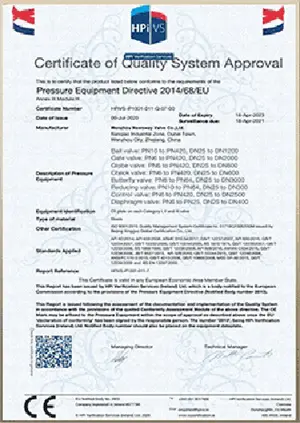
Get professional answers regarding raw material performance, security integration, customization limits, and supply chain logistics.
Whether you need high-durability polycarbonate ID cards or specialized industrial labeling solutions, our technical support team is ready to assist with your requirements.
Request Technical ConsultationExplore our high-performance labels, flexible PVC products, and scratch-resistant polycarbonate substrates engineered for demanding applications.