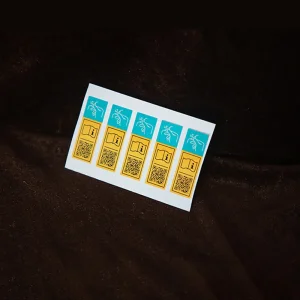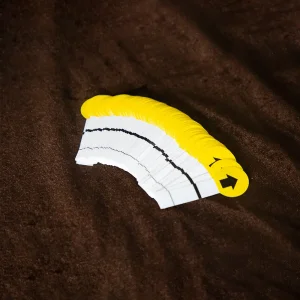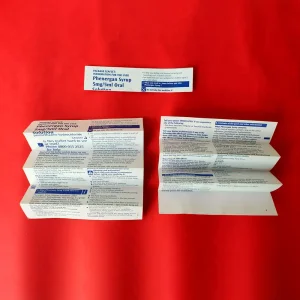
Engineered with industrial-grade materials for optimal performance across electronics, retail, and chemical distribution sectors.

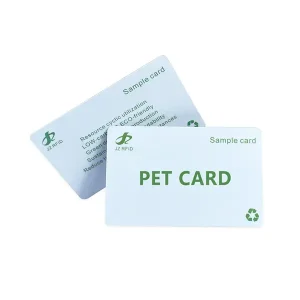

The global distribution networks of corporate archives, sterile laboratory filing, and consumer packaging demand sophisticated plastics engineering. Standard polyvinyl chloride (PVC) is rapidly giving way to Polypropylene (PP) and Polyethylene Terephthalate (PET) formulations due to strict worldwide directives banning plasticizer-laden synthetics. As global organizations pursue sustainability-driven procurement models, manufacturers are forced to optimize surface properties, heat stability, and transparency indices without compromising structural durability.
Major corporate purchasing groups now mandate a minimum of 30% Post-Consumer Recycled (PCR) polymer resins or biodegradable Polylactic Acid (PLA) blends to meet ESG compliance targets.
Advanced transparent folder variants utilize proprietary ionic/non-ionic surface coatings to disperse static electricity, ensuring dust-free performance in semiconductor manufacturing lines.
Post-pandemic healthcare institutions require permanent silver-ion additives embedded within raw plastic extrusions to reduce pathogens in high-touch documentation zones.
Industrial procurement departments do not simply purchase stationery; they manage risks related to custom branding, chemical resilience, static safety, and physical lifecycle duration. The selection of materials affects storage shelf life, processing compatibility under fluctuating temperatures, and shipping metrics. When selecting a transparent folder manufacturer, it is vital to audit their testing parameters for optical clarity, seam weld integrity, and chemical outgassing.
| Polymer Compound | Optical Clarity Index | Tensile Strength (MPa) | Thermal Distortion Temp (°C) | Acid & Chemical Resistance | Standard Applications |
|---|---|---|---|---|---|
| PP (Polypropylene) | Semi-Clear (Frosted) | 32 - 40 | 100 - 110 | Excellent (Salt/Alkali/Acid) | Industrial files, heavy-duty project jackets |
| PET (Polyethylene Terephthalate) | Ultra-Clear (92%+) | 50 - 75 | 70 - 85 | Good (Hydrocarbon vulnerable) | Premium display folders, identification cases |
| PVC (Polyvinyl Chloride) | Clear / Tinted | 45 - 60 | 60 - 70 | Moderate (Leaches plasticizers) | Vintage document sleeves, basic binders |
| Bio-PP (Plant-Based) | Frosted | 30 - 38 | 95 - 105 | Excellent | ESG-mandated corporate office stationery |
Furthermore, bulk logistics requirements call for strict adherence to dimensional tolerances. High-speed automated envelope stuffing systems or mechanical archiving bins fail if the folder thickness deviates by even ±5%. That is why reputable manufacturers operate multi-stage laser micrometer scanners along the extrusion lines to certify uniform thickness profiles.
Xiamen Lianhua Printing Co., Ltd. brings 32 years of industrial experience to polymer processing, high-fidelity labeling, and custom structural box fabrication.
Established in February 1992, Xiamen Lianhua Printing Co., Ltd. has developed from a dedicated local printing house into a global OEM/ODM manufacturer specializing in pressure-sensitive labels, ABS industrial engravings, ticketing media, and technical document packaging. Our ISO 9001:2015 certified facilities implement advanced manufacturing systems, including high-speed inline flexographic machines, automatic ultrasonic weld-embossing equipment, and laser cutting plotters. This ensures we deliver reliable, high-performance solutions for industrial, logistics, and medical markets.
Folder systems are vital touchpoints across various operational workflows. Xiamen Lianhua Printing structures product development based on specific vertical demands to ensure consistent performance under high physical stress and in sterile environments.
Our document sleeves are built using non-porous PP formulas that withstand isopropyl alcohol and bleach sanitization protocols, preventing bacterial accumulation in medical charts.
Specifically developed surface treatments lower the electrical surface resistivity to 109–1011 ohms, preventing electro-static discharge (ESD) damage near active wafer processing units.
Heavy-duty synthetic pockets protect barcode sheets from grease, humidity, and tearing. This supports scanning efficiency and protects tracking labels throughout distribution cycles.
To meet these diverse application requirements, we rely on advanced technology integration. Pre-treatment procedures like corona discharge are applied to plastic sheets to elevate surface energy, ensuring strong adhesion for custom silk-screen patterns and UV offset formulations. This prevents ink peeling, keeping critical tracking details legible over years of intensive usage.
Exporting plastic and adhesive-coated goods to the European Union and North America requires strict adherence to environmental safety laws. Our raw polymer formulations undergo regular independent laboratory testing to verify they contain no heavy metals, plasticizers, or SVHCs (Substances of Very High Concern), meeting all ROHS and REACH criteria. This enables overseas distributors to clear customs smoothly and avoids consumer-facing compliance risks.
Our research and development program focuses on three main technological innovations:
Direct answers addressing technical queries from procurement officers, packaging engineers, and QA managers.
A comprehensive overview of our physical labeling, structural materials, and technical documentation solutions.