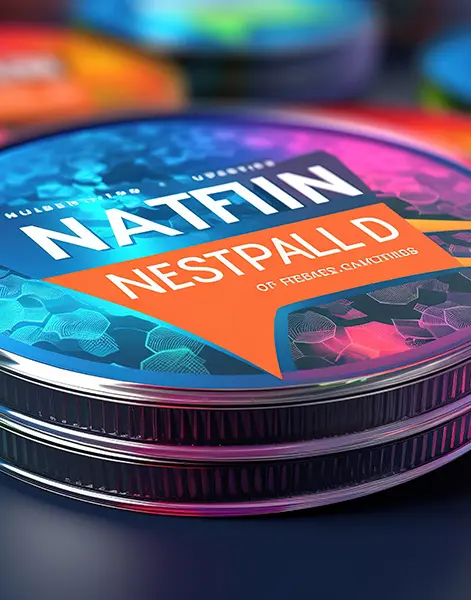
Engineered for high temperature tolerance, environmental isolation, and long-term chemical resilience across electronics, automotive, and logistics packaging.
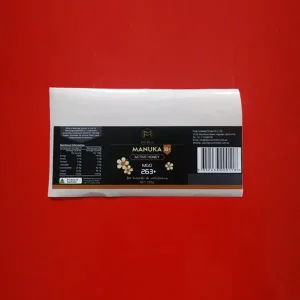
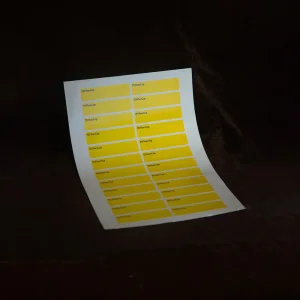
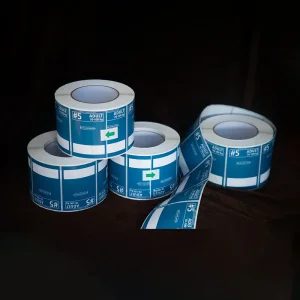
In modern manufacturing ecosystems, sealing components are not merely passive isolators; they are mission-critical elements that govern system durability, mechanical efficacy, and environmental safety. The global market for silicone gaskets has transitioned significantly from simple compression-molded rubbers to highly engineered elastomeric polymers customized with chemical additives to survive the absolute extremes of environmental fatigue. Driven by automotive electrification, high-power telecom base stations, and automated pharmaceutical processing, the demand for precision-grade silicone gaskets continues to expand exponentially.
China has solidified its position as the primary epicenter for silicone gasket manufacturing, accounting for a massive share of the world's raw material synthesis and high-precision die-cutting output. This consolidation is supported by comprehensive domestic supply chains, starting from upstream organosilicon synthesis to downstream die-cutting, liquid injection molding (LSR), and secondary custom processing. Advanced Chinese manufacturers now offer vertical integration, combining proprietary material formulations with automated quality inspection workflows to deliver complex geometries with tolerances within fractions of a millimeter.
Design engineers must carefully balance cost, chemical compatibility, and thermal resilience when selecting sealing elastomers. While materials such as Nitrile (NBR) and EPDM are cost-effective options for mid-range applications, silicone (VMQ/LSR) stands out due to its unmatched performance envelope.
| Elastomer Type | Temperature Range (°C) | Compression Set Resistance | UV, Ozone & Weathering Resistance | Primary Industrial Use Case |
|---|---|---|---|---|
| Silicone (VMQ/LSR) | -60 to +250 °C | Excellent (Long-term elasticity retention) | Outstanding (Does not degrade under solar exposure) | EV Battery Packs, Medical Enclosures, Aerospace Seals |
| EPDM | -40 to +130 °C | Moderate to Good | Very Good | Automotive Glass Runs, HVAC Systems |
| Nitrile (NBR) | -30 to +110 °C | Good | Poor (Prone to ozone cracking) | Fuel Seals, Oil Gaskets, Hydraulics |
| Fluorosilicone (FVMQ) | -60 to +200 °C | Excellent | Outstanding | Military Aerospace Fuels, Jet Engine Gaskets |
Why Tier-1 industrial brands partner with our specialized production facilities for high-performance sealing & label solutions.
Flexible manufacturing to meet individual engineering needs. We translate mechanical CAD specs into precision gaskets with custom adhesive backings, customized thickness profiles, and tailored Shore A hardness.
Using selected eco-friendly base silicones and imported adhesive backings. Fully compatible with high-tack performance requirements, moisture seals, thermal interfaces, and chemical shielding requirements.
Covering food processing (FDA/NSF), precision electronics (EMI-shielding), medical (USP Class VI), and logistics. Adaptable solutions for complex product interfaces under heavy vibration and stress.
Leveraging state-of-the-art die-cutting presses, high-speed rotary machines, and LSR injection systems. Automated vision check sensors verify dimensions in real-time, reducing defect rates to PPM levels.
Direct technical communication with materials engineers. We assist with custom installation guidelines, adhesive shear-strength calculations, and rapid field prototyping for new product development.
We work in close compliance with environmental protection standards, ensuring our entire supply pipeline uses materials that strictly align with global RoHS and REACH directives.
Established in February 1992, Xiamen Lianhua Printing Co., Ltd. has developed over 32 years into a comprehensive high-precision manufacturing enterprise. While our foundation is rooted in sticker printing, high-temperature polyimide labels, ABS engraving plates, and specialized industrial packaging, we have expanded our material conversion expertise to include precision elastomer die-cutting and custom laminating.
Our facility provides full OEM/ODM capabilities, bridging custom-printed thermal-barrier interfaces, double-coated industrial tapes, and precision-cut silicone sealing pads. This integration ensures our clients benefit from a single supply partner for both structural gaskets and regulatory labelling systems, streamlining complex component assembly.
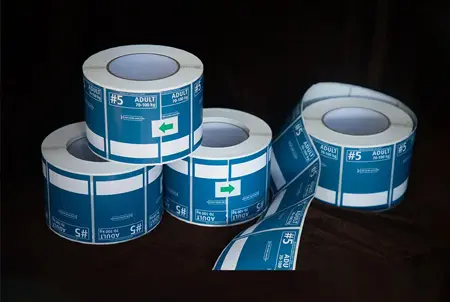
Selecting the correct silicone material formulation is critical to prevent field failures. In outdoor power distribution boxes, for instance, a gasket must withstand temperature variations and compression set over decades. Liquid Silicone Rubber (LSR) and High Consistency Rubber (HCR) offer different mechanical paths to resolve these environmental challenges.
HCR, containing high molecular weight polymers, offers excellent tensile strength, puncture resistance, and tear strength, making it ideal for large, structural gaskets and heavy-duty industrial seals. LSR, on the other hand, is processed via closed-loop automated injection molding, allowing it to easily fill highly complex thin-walled cavities with zero flash. This process makes LSR preferred for medical valves, connector interfaces, and high-volume electronics packaging.
To facilitate rapid line assembly, silicone gaskets are frequently laminated with PSA backing. Because raw silicone naturally repels standard acrylic and rubber adhesives due to its low surface energy, our manufacturing process utilizes advanced corona surface treatment and primer chemistry. This step ensures long-term lamination integrity, preventing the delamination of high-performance double-coated tapes from the silicone base.
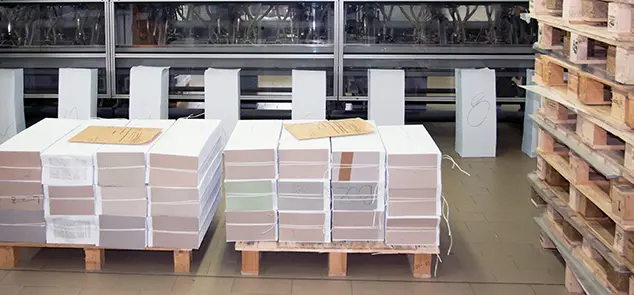
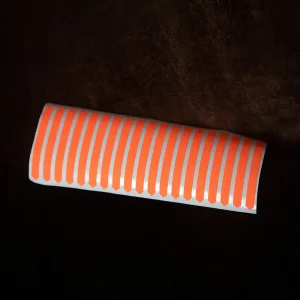
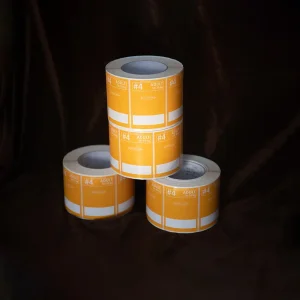
A closer look at our material processing, high-speed rotary die-cutting, and automated quality control lines.
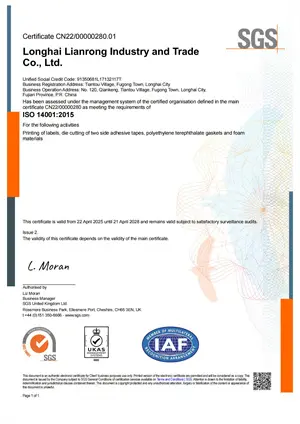
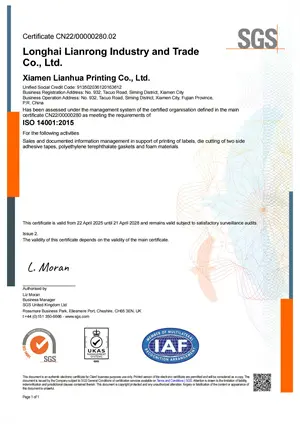
Strict quality control protocols guarantee our materials conform to international RoHS, REACH, and ISO certification standards.
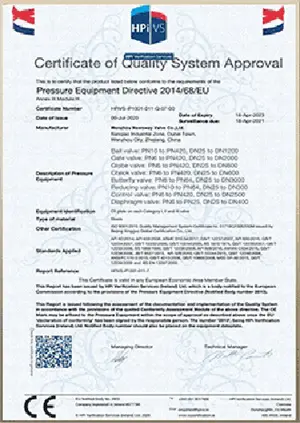
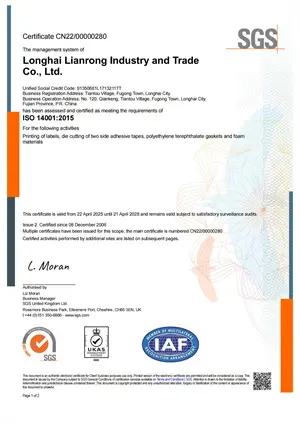
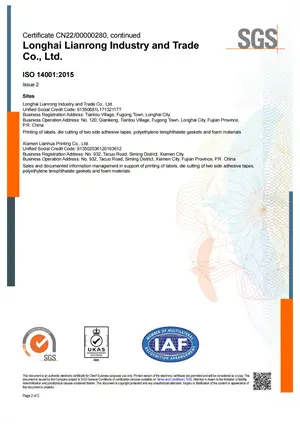
Engineered to deliver gas-tight seals, environmental insulation, and protective branding for critical modern industrial applications.
The elastomer industry is moving toward automated, high-precision, and smarter manufacturing. The upcoming integration of smart technologies into industrial sealing solutions is reshaping how field performance is monitored in real-time.
By incorporating conductive nanoparticles or sensor grids directly into silicone rubber formulations, researchers are developing smart gaskets. These seals can monitor real-time changes in internal pressure, micro-leakages, or chemical degradation, alerting operators prior to structural failures. This preventative maintenance is particularly valuable in remote chemical processing pipelines and deep-sea drilling platforms.
As corporate ESG targets tighten, development is steering toward eco-friendly organosilicon bases. These new chemical backbones reduce dependence on fossil-fuel derivatives while matching the thermal and mechanical profiles of standard petroleum-derived silicones. Advanced formulations also prioritize recyclable or clean-burning materials that leave zero toxic residues upon decomposition.
The rapid miniaturization of electronics—such as wearable medical sensors and smart IoT nodes—requires micro-gaskets with cross-sections under 0.2 mm. Utilizing high-precision liquid silicone rubber (LSR) micro-molding and vision-guided laser cutting, our production lines achieve sub-millimeter tolerances without material distortion.
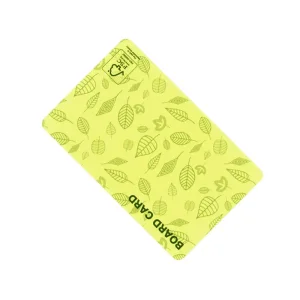
Explore our engineering capabilities across specialty materials, including custom plastic cards, polycarbonate structures, and multi-layer manuals.



Clear, direct technical answers regarding silicone grades, manufacturing capabilities, and order customization processes.
Get in touch with our engineering team for free material compatibility consultations, volume pricing structures, and dynamic prototyping support.
CONTACT OUR ENGINEERS