Advanced custom-printed engineering optimized for high visual appeal, operational efficiency, and precise functional integrity.

Years Industrial Experience
ROHS & REACH Compliant
One-Stop Custom Services
Monthly Output Capacity
Analyzing macro market shifts, structural packaging regulations, and the rise of the circular economy.
In the contemporary packaging sphere, cardboard sleeves (commonly referred to as belly bands or packaging bands) have transitioned from simple aesthetic overlays to critical structural elements of sustainable design. Driven by stringent international plastic-reduction mandates—such as the European Union’s Packaging and Packaging Waste Regulation (PPWR) and escalating state-level Extended Producer Responsibility (EPR) laws in North America—global brands are seeking functional paperboard solutions to replace traditional shrink wrap and rigid plastic containers.
From an environmental perspective, custom cardboard sleeves present a profound reduction in total carbon footprint. By minimizing the structural mass of primary packaging, manufacturers can leverage cardboard sleeves to secure, seal, and brand products using up to 70% less material than full-enclosure boxes. Furthermore, the structural recyclability of fiberboard packaging aligns directly with consumers' demand for curbside-recyclable, bio-based alternatives.
Modern commercial specifications demand strict traceability. As a leading manufacturer, we strictly enforce green purchasing strategies, utilizing virgin kraft fibers or post-consumer recycled (PCR) SBS (Solid Bleached Sulfate) and FBB (Folding Boxboard) sources certified under FSC (Forest Stewardship Council) standards. This guarantees that our paperboard raw materials originate from responsibly managed forests, ensuring carbon-neutral lifecycle dynamics from the raw material supplier down to the end consumer.
Why international brands trust our specialized production hub in Xiamen, China.
Offering precision die-cutting, scoring, locking tab designs, and custom window patches to ensure a seamless fit around uneven products without glue dependencies.
Unmatched access to various paperboard calipers (250gsm to 450gsm), direct-food contact safe barriers, clay coatings (CCKB), and biodegradable barrier layers.
Equipped with high-precision multi-color offset presses, high-speed folder-gluers, and automated inline inspections ensuring consistent, low-defect print runs.
Deep insight into structural performance, thickness metrics, and barrier properties.
Selecting the optimal cardboard sleeve material requires a careful balance between structural protection, aesthetic surface finish, and line-speed performance during high-volume manual or automated sleeving processes. The mechanical rigidity of a sleeve is dictated by the caliper (thickness) and pulp composition of the paperboard substrate.
| Substrate Category | Standard Weight (GSM) | Caliper (pt / mm) | Optimal Use Cases & Technical Properties |
|---|---|---|---|
| Solid Bleached Sulfate (SBS) | 280 - 400 gsm | 14pt - 22pt / 0.35 - 0.55mm | Premium cosmetics, high-definition graphics, pharmaceutical sleeve bands. Maximum brightness and smoothness. |
| Folding Boxboard (FBB) | 250 - 380 gsm | 12pt - 20pt / 0.30 - 0.50mm | High-stiffness relative to weight. Perfect for food container sleeves, prepared meals, and confectionery. |
| Uncoated Kraft Back (UCKB) | 300 - 450 gsm | 16pt - 24pt / 0.40 - 0.60mm | Eco-conscious branding, structural strength, high tear-resistance. Ideal for heavy beverage packs, hardware. |
| Coated Recycled Board (CRB / Duplex) | 300 - 500 gsm | 18pt - 26pt / 0.45 - 0.65mm | Cost-optimized, consumer goods packaging where environmental circularity demands recycled content. |
For applications subjected to moisture, thermal fluctuations, or direct contact with grease, standard untreated board is insufficient. We apply advanced dispersion coatings, including:
Next-generation advancements in smart packaging, automated lines, and structural integration.
The cardboard sleeve industry is rapidly moving beyond static branding to dynamic, intelligent interfaces. Key technological pathways shaping the future of packaging include:
We are actively researching the integration of high-conductivity RFID and NFC (Near Field Communication) tags directly laminated between the paperboard plies of premium sleeves. This allows for contactless inventory auditing, enhanced brand security, and rich interactive consumer experiences directly via smartphones. Dynamic 2D matrix codes and variable data printing (VDP) further enable custom-serialized trace routes for global logistics verification.
To eliminate petroleum-based hot-melt adhesives from assembly lines, our engineering division designs advanced physical locking tab mechanisms. These locking slots allow sleeves to be securely tensioned and hand-folded over containers in a single motion, radically accelerating assembly times and eliminating potential chemical contamination in food packaging environments.
In response to the global transition away from poly-laminated boards, our laboratory is scaling up tests on water-based, seaweed-derived grease barriers. These coatings dissolve harmlessly in industrial composting systems and standard paper recycling pulpers, creating a 100% circular life cycle for the packaging material.
Tailored structural engineering to resolve specific industry hurdles across distinct commercial verticals.
Engineered to withstand direct blast freezing down to -40°C. Resists condensation sagging while featuring micro-perforations for venting steam during microwave heating phases.
High-tensile strength carrier sleeves engineered with integrated die-cut finger holes. Perfect for consolidation bands that safely secure heavy aluminum cans or glass bottles.
Heavyweight paperboard bands and structural hangers that consolidate textiles without relying on protective plastic polybags, yielding major freight cost savings.
Navigating direct food-contact approvals and global chemical restrictions with complete confidence.
In international logistics, complying with country-specific packaging legislation is critical. Standard cardboard sleeves, particularly when utilized in direct food-contact packaging, must meet demanding criteria. Under the US Food and Drug Administration (FDA) regulations (specifically 21 CFR), all printing inks, paper fibers, and barrier treatments must be certified free of migration hazards.
For European distribution, packaging products must be fully compliant with REACH regulations (Registration, Evaluation, Authorisation and Restriction of Chemicals) and the RoHS directive. This ensures that no hazardous heavy metals, plasticizers, or SVHCs (Substances of Very High Concern) are present within the chemical compositions of the paperboards or finishes.
As a seasoned exporter, Xiamen Lianhua Printing Co., Ltd. supplies verified certificates for each production run, assuring seamless customs clearance in ports across Europe, North America, and Australia.
Providing clear, professional answers to key technical questions from procurement and engineering teams.
Our standard production MOQ for custom printed cardboard sleeves is 5,000 units. However, for specialized structures or testing phases, smaller trial runs can be accommodated. Unit costs optimize significantly as volumes scale toward 10,000+ units due to offset setup efficiencies.
Yes. We utilize advanced multi-color offset presses capable of running CMYK plus Pantone spot colors. Our inline spectrophotometers monitor and maintain Delta-E tolerances below 1.5, ensuring absolute brand consistency across different substrates.
We conduct custom structural engineering testing. By generating physical CAD die-lines based on your physical product, we build precise tolerances (often down to 0.5mm clearances) and apply subtle internal friction coatings or structural locking tabs to prevent shifting.
Absolutely. We use FDA-compliant, direct food-contact raw paperboard combined with soy-based or vegetable-derived printing inks. We also ensure that no recycled materials containing mineral oils are used in applications requiring direct contact with high-temperature food products.
We require vector files in .AI, .PDF, or .DXF formats, showing the cut, crease, and bleed layers clearly on separate layers. Our structural engineers can assist in drafting your initial die-line based on your product dimensions.
Typically, production takes 7 to 10 working days following final die-line sign-off and color approval. Ocean shipping times to major US or European ports range from 18 to 30 days, while air freight takes 3 to 7 days for urgent product launches.
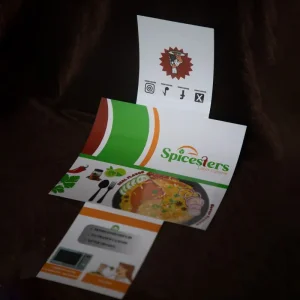
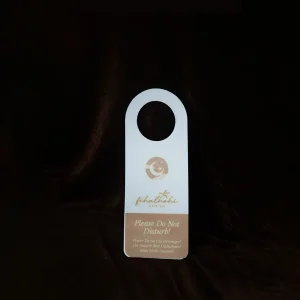
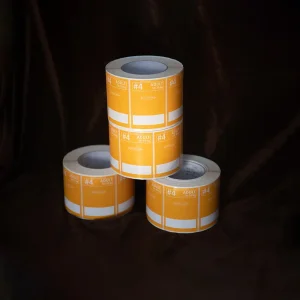
Explore our highly integrated adhesive labels, specialty tickets, and durable composite card options manufactured at our Xiamen facilities.
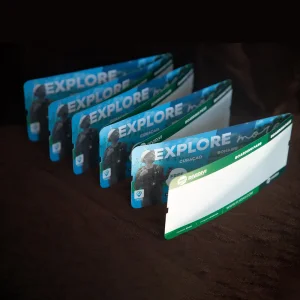
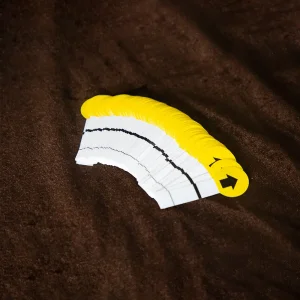
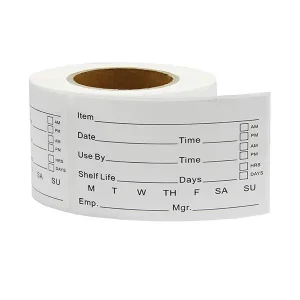
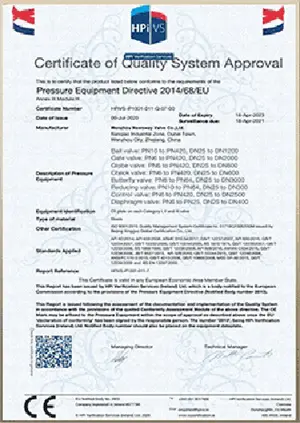
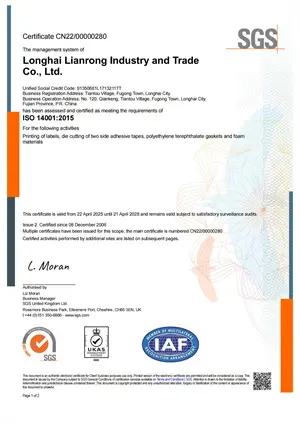
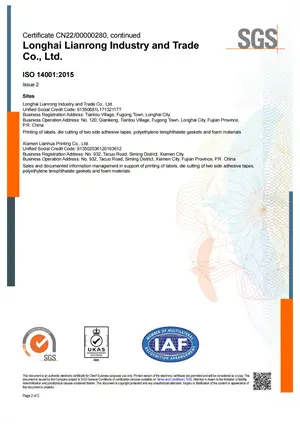
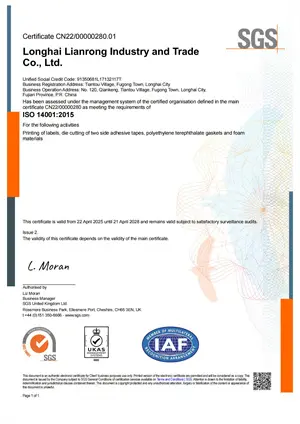
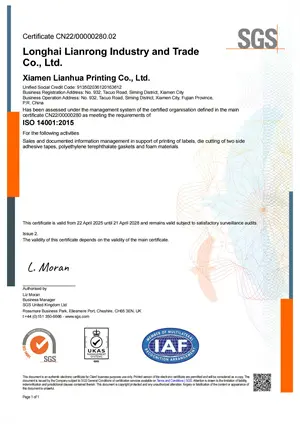
We strictly comply with RoHS and REACH regulations, utilizing clean procurement practices for green sustainable manufacturing.