
Explore our premium product portfolio engineered for access control, automated logistics, and extreme industrial conditions.

The global access management and smart identity landscape is undergoing a massive paradigm shift. As smart infrastructure expands globally, proximity cards (commonly utilizing 125 kHz low frequency or 13.56 MHz high frequency integrated chips) have transitioned from simple entry tools to vital nodes in the Internet of Things (IoT) environment. Major global enterprises, medical systems, and high-security government installations are constantly seeking systems that provide data protection, environmental resilience, and fast reading speeds.
Regionally, demand is skyrocketing in North America and Europe due to strict security regulations (such as HIPAA for medical systems and GDPR guidelines for facility data tracking). Meanwhile, the Asia-Pacific region is emerging as the fastest-growing manufacturing hub, leveraging high-throughput printing technologies, advanced injection molding techniques, and eco-friendly substrates to supply massive quantities of durable smart cards and labeling solutions globally.
A proximity card or high-performance industrial RFID tag is only as reliable as the materials encapsulation. Choosing the proper material directly dictates operational lifespan, chemical exposure resistance, and performance in harsh physical environments. At Xiamen Lianhua Printing Co., Ltd., we utilize our 32 years of industry manufacturing knowledge to optimize card and label materials:
As cyber-physical attacks grow in complexity, the hardware technology path is rapidly shifting toward advanced encryption algorithms. Traditional Wiegand interfaces and unencrypted 125kHz systems are being systematically replaced by Secure Identity Object (SIO) technology and MIFARE DESFire EV3 protocols. These protocols implement AES-128 cryptographic key exchanges directly at the chip level, preventing card cloning and intercept attacks.
Moreover, dual-technology cards featuring both high-frequency NFC capabilities (for mobile and ticketing system integrations) and low-frequency proximity antennas ensure smooth legacy migration pathways. This prevents organizations from having to execute expensive overnight reader upgrades across multiple properties.
How do various industry verticals apply these identity solutions? We break down the macro workflows:
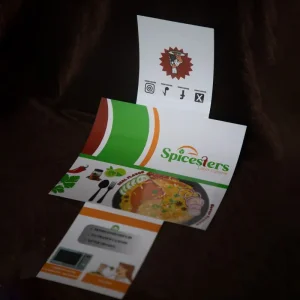
Seamless entry systems using custom-printed synthetic paper cards and polycarbonate ID credentials with security overlays.
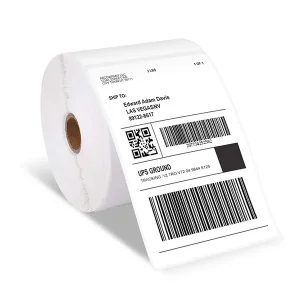
High-tack barcode labels and heavy-duty packing labels designed to withstand mechanical friction in automated sorting complexes.
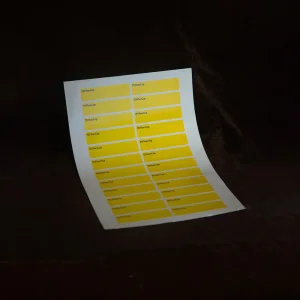
Thermal-resistant labels tracking PCBs throughout reflow ovens and automated pick-and-place assembly machines.
Explore our deep capabilities in label printing, technical manual manufacturing, and plastic substrate engineering.
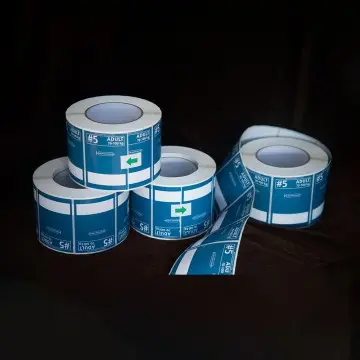
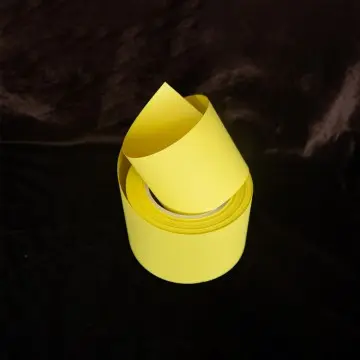
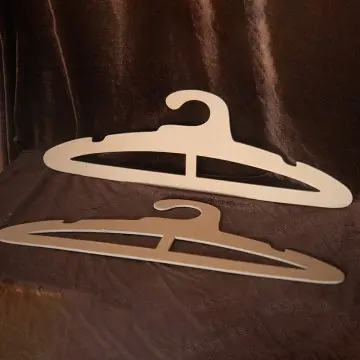
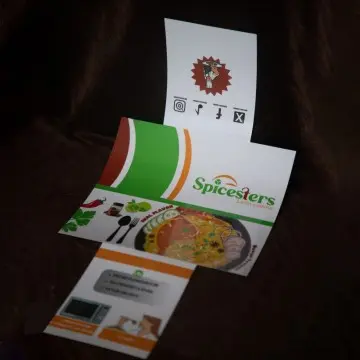

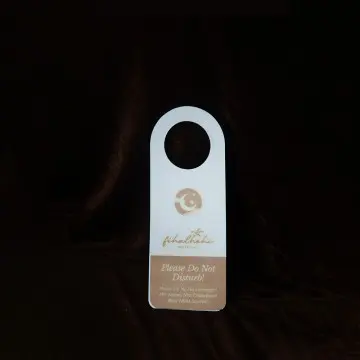

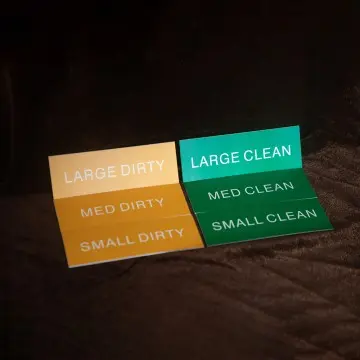
Established in February 1992, Xiamen Lianhua Printing Co., Ltd. has developed over 32 years of enterprise production history. Our specialized printing factory delivers exceptional ODM/OEM manufacturing, combining advanced automated technology with a commitment to environmental compliance.
We pride ourselves on our streamlined production workflow, where each sticker, ticket, ABS dual-color board, and custom proximity card passes rigorous quality checks. Our capabilities include precision rotary presses, automated laser die-cutting, screen printing, and micro-chip verification lines to secure physical identity properties.
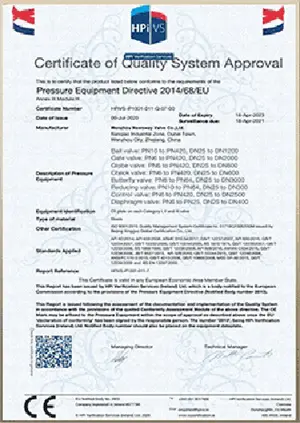
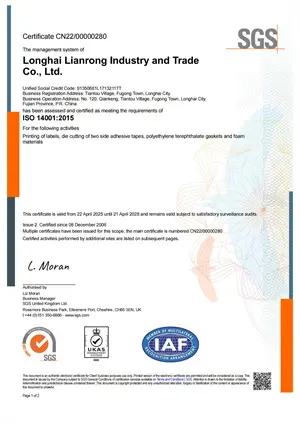
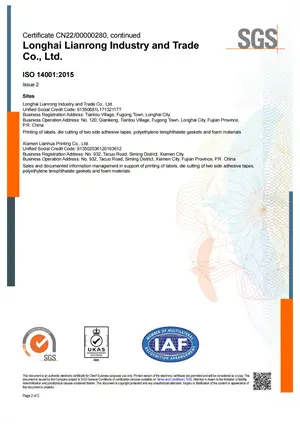
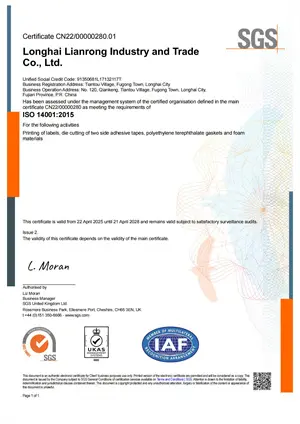
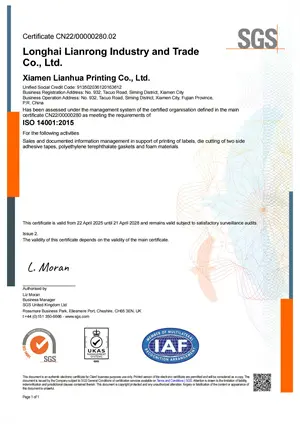
Watch our production facilities and inspect our global quality assurance certifications.
Technical guidance and answers to common queries to assist procurement managers and security engineers.
125kHz proximity cards (like standard entry cards) transmit unencrypted card serial numbers, making them susceptible to cloning devices. 13.56MHz smart cards (such as MIFARE, iCLASS, or SEOS) feature mutual authentication and onboard cryptographic algorithms (AES-128 or DES), offering high security and preventing unauthorized access and card cloning.
While standard PVC is cost-effective and flexible, Polycarbonate (PC) is extremely durable, offering excellent resistance to scratches, high heat, and chemical breakdown. Polycarbonate layers fuse together under heat and pressure without adhesive, preventing card layer separation and ensuring a physical lifespan exceeding 10 years, making it the standard choice for government ID badges.
Yes. All of our custom-printed labels, including synthetic paper, thermal adhesive, and high-translucency backing designs, are manufactured following green procurement policies. We guarantee that all components are fully compliant with RoHS and REACH regulations for hazardous chemicals, making them safe for global distribution and retail environments.
Absolutely. Polyimide (PI) is specifically formulated to withstand continuous operating temperatures above 260°C and transient temperatures up to 300°C. They are highly resistant to aggressive chemical solvents, fluxes, and cleaning agents commonly used in surface-mount technology (SMT) and wave soldering processes.
Inspect our additional industrial product solutions to optimize your organizational workflows and hardware components.


Discuss your physical layout specifications, card chip integrations, or custom adhesive requirements directly with our engineering division. Get custom design layouts and rapid sample production today.