
In the warehouse and logistics industry, effective communication is crucial. Forklift signs play an essential role in ensuring safety and operational efficiency. According to the National Safety Council, nearly 100,000 forklift accidents occur annually in the U.S. Proper signage can significantly reduce these incidents. Studies show that visible and standardized signage decreases the risk of accidents by up to 30%.
These signs help employees recognize hazards associated with forklift operation. They promote awareness of designated walkways and loading zones. Additionally, forklift signs can guide operators in using equipment safely. Despite their importance, many businesses overlook this necessity. As a result, they may experience higher accident rates and increased costs.
Investing in the right forklift signs reflects a commitment to safety. It enhances workplace culture and improves compliance with OSHA standards. However, organizations must regularly reassess their signage effectiveness. Outdated signs can lead to confusion and accidents. Prioritizing clear, updated signage is not just a recommendation; it's essential for fostering a safe environment.
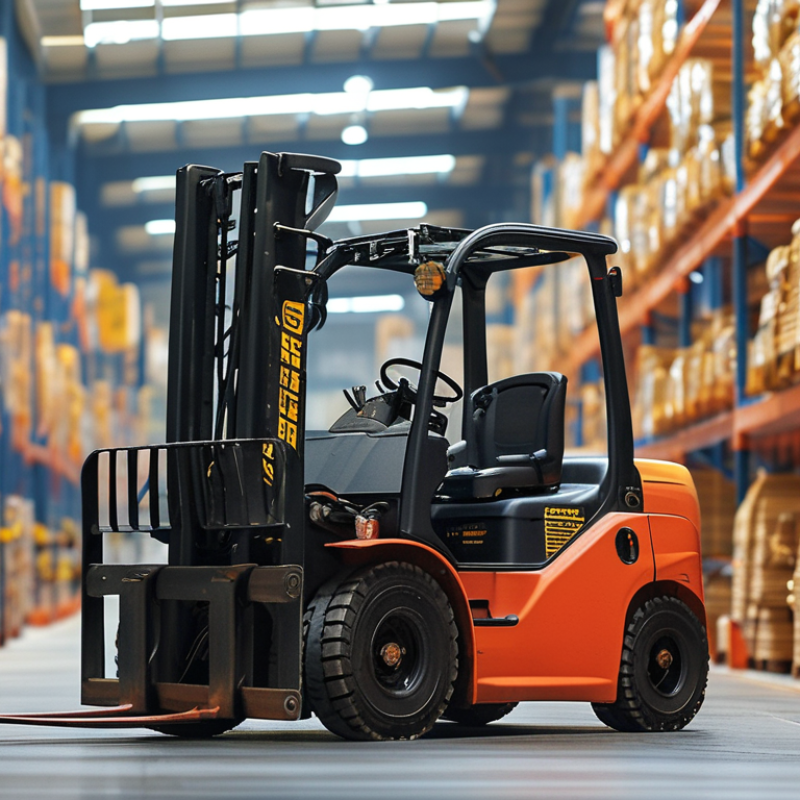
Forklift operations can be hazardous without proper safety measures. Effective safety signs are essential for reducing accidents in busy work environments. Clear visibility and understanding of these signs help ensure that all personnel stay safe. Common signs include "Forklift Traffic" and "Caution: Pedestrians." These convey the presence of moving equipment and remind workers to be vigilant.
Another important sign is "No Step," which prevents workers from standing on forks. This simple message can save lives. Additionally, "Sharp Turn Ahead" alerts operators to potential hazards around corners. Signage must be easily visible and understood by all workers, including those who may not speak the primary language.
Regularly reviewing these signs keeps safety awareness high. Ensure signs are intact and positioned correctly. Visibility issues may arise due to equipment or environmental factors. Signs fade over time and may not convey their messages effectively. It’s vital to engage staff in discussions about safety practices and sign significance. This can reinforce the importance of compliance and prompt reflection on existing safety protocols.
In busy work environments, pedestrian awareness around forklifts is crucial. Signs play a significant role in enhancing safety for both operators and pedestrians. Clear warning signs can prevent accidents, yet they must be strategically placed to be effective. Ensure signs are visible at all times. Use bright colors to grab attention.
Tips to improve safety include marking pedestrian pathways clearly. This indicates where employees should walk, reducing the risk of collisions. Regular safety training on the proper behaviors around forklifts is essential. Employees should always maintain eye contact with operators, ensuring mutual awareness.
Don't overlook the importance of maintenance checks on signs. Faded or worn-out signs lead to confusion. Signs should be replaced at the first sign of damage. Encourage feedback from employees on sign effectiveness. Listening to their observations can lead to better safety practices.
| Sign | Meaning | Purpose |
|---|---|---|
| Caution: Forklift Traffic | Alerts pedestrians about forklift presence. | Enhance awareness and prevent accidents. |
| No Pedestrians | Prohibits pedestrian entry in forklift areas. | Protects workers from forklift-related injuries. |
| Forklift Operating Area | Designates zones where forklifts operate. | Keeps pedestrians away from operation zones. |
| Watch for Forklifts | Reminds to be vigilant for moving forklifts. | Encourages caution in high traffic areas. |
| Slow: Forklift Ahead | Signals the need to slow down due to forklift activity. | Prevents accidents by alerting to hazards. |
| Forklift Crossing | Indicates a crossing area for forklifts. | Ensures pedestrian and machinery traffic is coordinated. |
| Safety Gear Required | Mandates wearing personal protective equipment (PPE). | Enhances safety around forklifts. |
| Danger: Overhead Loads | Cautions about loads being lifted overhead. | Prevents dangers from falling objects. |
| Emergency Stop | Indicates where to stop the forklift in an emergency. | Provides clear instructions for urgent situations. |
| Maintain Clear Aisles | Encourages keeping walkways and aisles clear. | Ensures safe navigation for pedestrians and forklifts. |
In warehouse environments, safety signs are crucial. Mandatory signs for personal protective equipment (PPE) must be prominently displayed. This ensures that all workers, especially those near forklifts, take the necessary precautions. According to the Occupational Safety and Health Administration (OSHA), improper use of PPE accounts for around 25% of workplace injuries.
A hard hat sign should be placed where forklifts operate. Overhead hazards are common, and workers need to be protected. Safety glasses signs are equally important, especially in areas with potential flying debris. The American National Standards Institute (ANSI) indicates that safety glasses can reduce eye injuries by 90%.
Additionally, high-visibility vest signs are essential. Forklifts can create blind spots, and workers must be seen easily. In 2019, the National Safety Council reported nearly 100,000 injuries related to forklifts in the U.S. Clear, visible signs can help mitigate these risks. Regularly updating and maintaining these signs can sometimes be overlooked. However, it's crucial for ongoing safety awareness.
Forklift traffic zones are crucial in busy workplaces. They help ensure safety and efficiency. Clear signage reduces confusion. Employees need to know where forklifts operate. Signs should be strategically placed at entry points and intersections. Use bright colors to increase visibility.
One key tip is to use floor markings along with signs. Bright tape on the ground can guide foot traffic. This dual approach helps everyone stay aware. Regularly check signage for wear and tear. Replace faded signs immediately. Consistent maintenance shows commitment to safety.
Forklift traffic flow signs should highlight priority routes. Workers must understand when to yield. Visibility is essential; keep signs clear of obstructions. Signs should be at eye level, easily readable. Encourage feedback on the placement of these signs. Sometimes, employees may notice issues that management overlooks. Prioritizing clear communication fosters a safer environment.
In any workplace with forklift operations, clear communication is essential. Prohibition signs can effectively prevent unauthorized access to forklift areas. By using these signs, businesses can create safer environments. These signs deter individuals who might unknowingly enter hazard-prone zones.
Signs should be visible and easy to understand. The use of symbols enhances recognition and comprehension, especially in multilingual workplaces. Consider the placement of these signs. High-traffic areas or near entry points are ideal locations. This ensures maximum visibility and compliance. Signs like "Authorized Personnel Only" and "No Entry" alert individuals to restrictions.
While prohibition signs are crucial, they can sometimes be overlooked. Regular training sessions can raise awareness. Employees should understand the importance of these signs and the risks of ignoring them. Businesses can foster a safety-first culture by encouraging reports on any faded or damaged signs. Mistakes can happen, and it’s essential to learn from them. A proactive approach promotes a safer workplace.
: They ensure workers take necessary precautions to avoid injuries.
About 25% of workplace injuries result from improper use of PPE.
Hard hat signs should be located where forklifts operate to protect against overhead hazards.
Safety glasses can reduce eye injuries by up to 90%.
They are essential because forklifts can create blind spots, making workers harder to see.
Regular updates and maintenance of signs are crucial for ongoing safety awareness.
They prevent unauthorized access, reducing the risk of accidents.
High-traffic areas and entry points are ideal for maximum visibility.
Regular training sessions can help employees understand their importance and risks.
A proactive approach encourages reporting damaged signs and learning from mistakes.
In the realm of workplace safety, understanding the essential Forklift Signs is crucial for ensuring a safe environment for both operators and pedestrians. These signs encompass a variety of categories, including essential safety signs that guide proper forklift operation, warning signs that enhance pedestrian awareness in areas where forklifts are active, and mandatory signs that remind personnel to wear personal protective equipment.
Additionally, effective traffic management in forklift zones is facilitated by clear signs indicating traffic flow and designated traffic areas. Prohibition signs play a vital role in preventing unauthorized access to forklift zones, thus minimizing the risk of accidents. By implementing these top 10 forklift signs, businesses can significantly enhance safety measures, protect their workforce, and create a more organized operational space.