
Essential Health And Safety Signs for Workplace Compliance?

Time:2026-08-06 Author:Oliver
0%

In the realm of workplace safety, "Health And Safety Signs" serve as critical visual cues. According to a report by the National Safety Council, about 4,964 workers died on the job in 2020 in the U.S. alone. Proper signage could have reduced many of these incidents. Signs guide employees, indicating hazards and necessary precautions.

Organizations often underestimate the power of effective signage. For instance, studies show that 90% of workplace accidents are linked to human error. Clear health and safety signs can mitigate this risk. They not only inform but also remind workers of safety protocols. Unfortunately, many businesses fail to update their signage regularly, leaving gaps in compliance and safety measures.

Furthermore, the OSHA regulations require specific signs in various workplaces. Non-compliance can lead to severe penalties. Yet, many companies still overlook this. It is essential to evaluate the current signage in the workplace continually. In doing so, organizations can enhance employee safety and foster a culture of awareness.
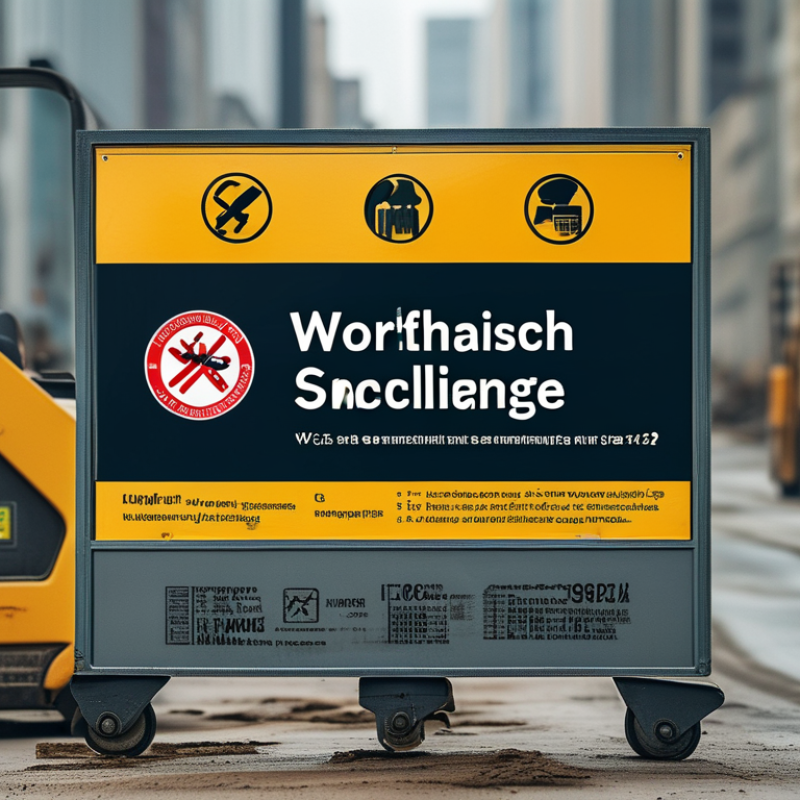
Essential Health And Safety Signs for Workplace Compliance?

Understanding the Importance of Health and Safety Signs in the Workplace

Health and safety signs are essential for any workplace. They guide employees and visitors in understanding potential hazards. Clear signs can prevent accidents. Consider a factory setting with machinery. A simple "Caution: Moving Parts" sign alerts workers to stay alert. This crucial communication tool significantly reduces risks.

Each sign serves a specific purpose. Emergency exit signs provide clear paths during crises. Fire safety signs indicate locations of extinguishers. Such clear visuals can save lives. However, challenges arise if signs are not maintained or are poorly positioned. Signs can fade or be obstructed. Regular inspections are necessary for effectiveness.

Education on health and safety signs is vital. Training employees on what each sign means promotes a culture of safety. Yet, misunderstandings can occur. Not every worker may grasp the importance of compliance. Ongoing discussions and refreshers are crucial. The goal is a safe environment for everyone.

Types of Essential Health and Safety Signs: A Comprehensive Overview

In ensuring workplace safety, understanding essential health and safety signs is crucial. Organizations must comply with regulations to protect workers. According to the Occupational Safety and Health Administration (OSHA), more than 4,700 fatal workplace injuries occur each year in the United States. Proper signage can significantly reduce these numbers.

Essential safety signs can be categorized into various types. Warning signs alert employees to hazards like electrical areas or slippery floors. Instruction signs provide necessary guidance, such as “Wear Personal Protective Equipment.” Prohibition signs, which say “No Smoking” or “Do Not Enter,” help to prevent dangerous behaviors. Data from the National Safety Council shows that clear safety signs can reduce accidents by over 30%.

Yet, many workplaces still fall short. A study revealed that 66% of workers reported unclear safety signage made following protocols difficult. This indicates a critical need for better communication in safety education. Regular audits of signage can help highlight areas that need improvement. Enhancing sign visibility and clarity contributes to a safer environment, benefiting both employees and employers.

Legal Requirements for Workplace Health and Safety Signage Compliance

Workplace safety is vital. It's not just about having signs; it's about meeting legal requirements. In many regions, laws dictate specific signage. This includes hazard warnings, emergency exits, and personal protective equipment notices. Employers must understand these regulations to avoid legal issues.

Compliant signs should be clear and visible. Use bright colors and simple symbols for better understanding. Regularly assess the condition of these signs. Faded or damaged signs can lead to confusion. This could compromise safety efforts.

Training employees on these signs is crucial. Awareness enhances overall workplace safety. Regular audits can help identify gaps in compliance. This ensures your workplace remains safe and legally compliant. Ignoring these aspects can lead to serious consequences.

Best Practices for Installing and Maintaining Safety Signs in Work Environments

Installing and maintaining safety signs in workplaces is crucial for compliance and employee well-being. Visual communication is effective. Clear signs can prevent accidents and ensure everyone understands potential hazards. When choosing signs, use simple language and universally recognized symbols. The location of each sign matters. Place them where they are visible and easily accessible.

Regular maintenance is essential for keeping safety signs in good condition. Over time, signs can fade or become obscured. Schedule routine checks to replace worn or damaged signs. Engage employees in reporting issues. This can foster a culture of safety awareness. You might consider conducting training sessions on the importance of safety signage. When workers understand why signs are important, they are more likely to heed them.

Some organizations overlook the significance of appropriate signage. This can lead to confusion and increased risk. Reflect on sign placement and visibility regularly. Are they obstructed by equipment or furniture? Revisiting these details can enhance workplace safety. Always ensure your signage complies with local regulations, as this protects your organization legally and ethically.

Essential Health And Safety Signs for Workplace Compliance

Training Employees on the Meaning and Importance of Safety Signage

Training employees on the significance of safety signage is crucial for workplace compliance. According to a report by the American Society of Safety Professionals, around 80% of workplace accidents result from a lack of awareness. This highlights the need for effective training programs focusing on safety signs. These signs serve as vital communication tools, guiding employees about hazards and safe practices.

Incorporating hands-on training can enhance understanding. Role-playing scenarios that involve interpreting signs can help employees grasp their importance. A study from the National Safety Council found that companies with comprehensive sign-training programs reported a 30% decrease in incidents. Yet, many employers overlook the nuances of training, leaving gaps in employee knowledge.

It's important to continually reassess training methods. Employees may forget what signs mean over time. Periodic refreshers could bridge this gap. Interestingly, a survey indicated that 45% of workers felt unsure about basic safety signage. This uncertainty emphasizes the need for constant engagement and a proactive approach toward safety training. Educating staff about signage should not just be a one-time effort.

FAQS

: Why are safety signs important in the workplace?

: Safety signs help prevent accidents and inform employees about hazards. Clear signs save lives.

How should safety signs be positioned for maximum effectiveness?

Place signs in visible locations. Ensure they are easy to read and not obstructed by equipment.

What should organizations do to maintain safety signs?

Schedule regular checks to replace worn or faded signs. Engage employees to report any issues.

How can training improve understanding of safety signs?

Hands-on training helps employees learn to interpret signs. Role-playing scenarios can enhance comprehension.

What is the impact of poor safety sign training?

Gaps in training can lead to confusion and accidents. Many workers may remain unaware of basic signs.

How often should training on safety signs be conducted?

Training should not be a one-time effort. Regular refreshers help employees remember the importance of signage.

What are common gaps in employee knowledge regarding safety signage?

Many employees feel uncertain about signs' meanings. This highlights the need for ongoing training.

Why might organizations neglect safety signage?

Some overlook its significance. This can lead to increased risks and workplace confusion.

How can employers engage employees in safety practices?

Involve them in reporting safety issues. Cultivating a culture of safety awareness is critical.

What should be considered when placing safety signs?

Reflect on visibility and placement regularly. Are signs easily accessible, or can they be missed?

Conclusion

Health and safety signs play a crucial role in ensuring workplace compliance and promoting a safe working environment. Understanding their importance is the first step in implementing effective safety measures. Various types of essential health and safety signs, such as warning, prohibition, and mandatory signs, provide clear guidance and information to employees about potential hazards and required actions.

Legal requirements for workplace signage compliance dictate the necessity of proper health and safety signs. Adhering to these regulations helps organizations avoid penalties and fosters a culture of safety. Best practices for installing and maintaining these signs include placing them in visible locations and performing regular inspections to ensure clarity and legibility. Additionally, training employees on the meaning and importance of health and safety signs is vital to enhance awareness and compliance. Overall, a strong focus on health and safety signage can significantly reduce workplace accidents and create a safer environment for all.

Oliver

Oliver

Oliver is a seasoned marketing professional with a wealth of expertise in driving brand awareness and engagement. With a deep understanding of our company's product offerings, he consistently delivers high-quality content that enriches our professional blog. His insights not only shed light on......