
Choosing the right Hazard Safety Signs is crucial for any business. A well-placed sign can prevent accidents and ensure compliance with safety regulations. According to a recent study by the National Safety Council, nearly 4,500 workplace fatalities occur annually in the United States. This alarming figure highlights how essential proper safety signage is in protecting employees.
Expert James Thornton, a leading figure in occupational safety, states, "The right signs can mean the difference between safety and disaster." His insight underscores the importance of selecting effective Hazard Safety Signs tailored to specific environments. For instance, construction sites may require more visible signs due to heightened risks.
While many businesses overlook this aspect, it can be a costly mistake. Selecting inadequate or unclear signs can lead to confusion and increased accidents. It's vital to ensure that signs convey clear messages. Reflecting on the effectiveness of your current signage can reveal gaps. A proactive approach to choosing the appropriate Hazard Safety Signs can enhance safety and foster a culture of awareness within the workplace.
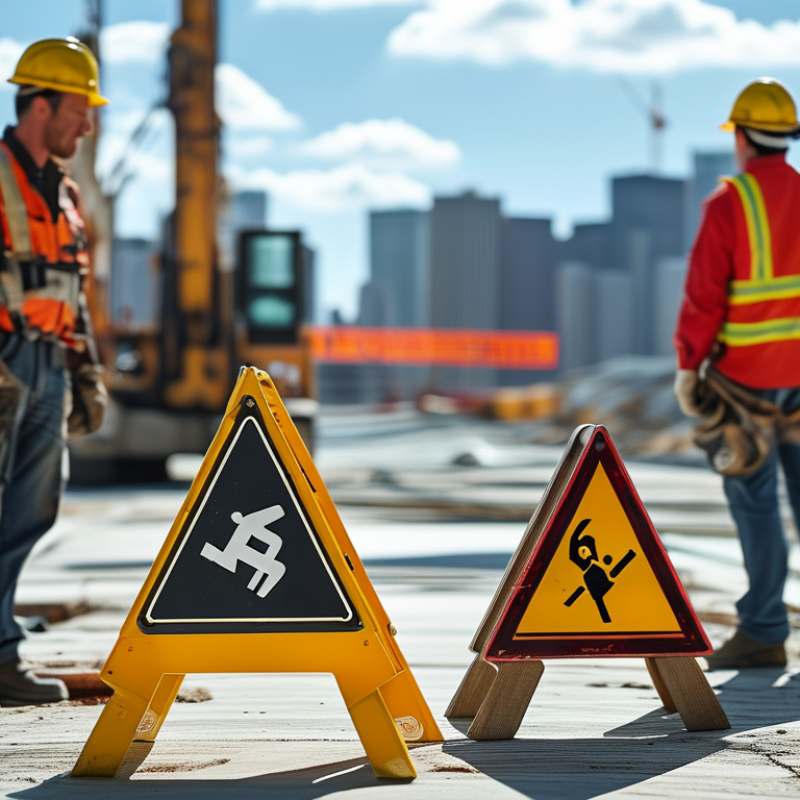
Hazard safety signs play a vital role in maintaining a safe workplace. They communicate essential information about potential dangers. Understanding how these signs function can enhance workplace safety significantly. Effective communication reduces accidents and ensures employees are aware of risks. This awareness is crucial in high-risk environments where hazards may not be immediately visible.
Choosing the right signs requires careful consideration. Each sign must be clear and easy to understand. Colors and symbols used should convey specific messages. For instance, red often indicates danger, while yellow signals caution. Miscommunication can lead to neglecting serious hazards. Constant evaluation of signage effectiveness is necessary. Regularly seeking feedback from employees can highlight areas for improvement.
Visual clutter can also undermine the effectiveness of hazard signs. Too many signs in one area can confuse workers. Striking a balance between information and clarity is essential. Maintaining a minimalist approach enhances visibility. Ultimately, hazard safety signs are not just mandatory; they are a proactive measure to foster a culture of safety. Careful selection and placement of these signs contribute to a safer work environment for everyone involved.
When selecting hazard safety signs, it's essential to identify the risks present in your business environment. Signs should communicate specific dangers clearly. For example, chemical hazards require signs that denote corrosive or flammable materials. A well-placed sign can prevent accidents. It’s vital to ensure that these signs are visible and easily understood by everyone in the area.
Different risks necessitate different types of signage. For electrical hazards, use high-visibility signs with clear warnings. Construction sites need attention-grabbing signs that indicate falling hazards. At times, signs that denote a lack of protection can be just as necessary. For instance, a “No Hard Hat Area” sign can remind workers of the risks involved. Often, companies overlook the importance of updating their signage, which can lead to confusion and increased dangers. Regularly reviewing and renewing your safety signs is essential for maintaining a safe workplace.
When selecting hazard safety signs, understanding your industry's legal requirements is crucial. Various sectors have specific regulations that dictate the design and placement of these signs. For instance, the Occupational Safety and Health Administration (OSHA) sets standards for workplaces in the U.S. It’s essential to familiarize yourself with these laws. Check local regulations, as they may impose additional requirements. Knowledge in this area will help mitigate risks and ensure compliance.
Evaluate the types of hazards present in your workplace. If you handle chemicals, clear signage indicating hazardous materials is necessary. In contrast, construction sites may require warnings about falling objects or high-voltage areas. Consider the visibility and clarity of the signs. Are they legible from a distance? Will employees understand the symbols quickly? These considerations directly influence safety and response times in emergencies.
No sign is infallible; even the best-designed ones can be misinterpreted. Regular audits of your signage can help identify issues. Is the fading text hard to read? Are there new hazards that need signs? Staying proactive ensures that everyone in your facility is informed and safe. Adapting to changing regulations and evolving workplace conditions is key in maintaining compliance and enhancing safety culture.
Selecting the right hazard safety signs involves understanding placement for visibility. Studies indicate that improperly placed signs can lead to accidents. A report by the National Safety Council shows that visibility impacts the effectiveness of safety communication by 80%. This highlights the need for strategic sign placement.
Consider your workspace layout. High-traffic areas should feature clear and noticeable signs. Signs placed near floors or ceilings may be overlooked. According to the American National Standards Institute, signs should be at eye level to ensure that everyone sees them. Using contrasting colors can also enhance visibility.
Evaluate light conditions in your facility. Dim environments require brighter signs. Regularly assess your sign placement and overall effectiveness. It's essential to remain open to revising strategies. Safety culture can be improved by gathering feedback from employees about their experiences with sign visibility. Continuous improvement in sign placement is vital.
| Sign Type | Purpose | Recommended Placement | Visibility Factors | Effectiveness Rating (1-5) |
|---|---|---|---|---|
| Warning Sign | Indicates potential hazards | Near hazardous areas | High; clear line of sight | 5 |
| No Entry Sign | Restricts access to dangerous areas | At access points | Medium; needs to be eye-catching | 4 |
| Emergency Exit Sign | Indicates exits in emergencies | Near exit doors | High; must be visible in low light | 5 |
| Caution Sign | Alerts to potential minor hazards | Approaching potential hazard areas | Medium; clear and visible | 3 |
| Information Sign | Provides non-hazard information | General areas, break rooms | Low; informational but essential | 3 |
Regular reviews and updates of safety signage are crucial for any business. Safety signs should evolve with changing workplace conditions. According to industry research, effective signage can reduce accidents by up to 30%. This statistic underscores why organizations must regularly assess their compliance with safety regulations and workplace hazards.
Conducting periodic reviews allows businesses to identify outdated signs. Signs that have faded or are no longer relevant can lead to confusion. For instance, a study highlighted that 25% of employees misinterpreted safety signs due to obsolescence. Regularly updating safety signage not only boosts clarity but also reinforces a culture of safety within the workforce.
It is vital to engage employees during these reviews. Their insights can highlight areas needing improvement. However, many organizations neglect this step, leading to gaps in safety awareness. Establishing a routine for sign evaluation could directly influence workplace safety. Investing time in this practice can significantly enhance overall safety outcomes and foster a proactive safety environment.
: Identifying risks helps choose appropriate signs that clearly communicate specific dangers to everyone.
Proper placement boosts visibility. Misplaced signs can lead to misunderstandings and increase the risk of accidents.
Chemical hazards require signs that indicate corrosive or flammable materials to prevent accidents and injuries.
Regular reviews are crucial. Outdated signs can cause confusion and may lead to accidents if not updated.
Employee feedback can reveal areas needing improvement, enhancing clarity and safety awareness in the workplace.
Sign placement, light conditions, and contrasting colors all play significant roles in ensuring signs are easily noticed.
Yes, safety signs should change with workplace conditions to maintain effectiveness and relevance.
Faded or irrelevant signs can confuse employees, leading to increased risks and potential accidents.
Visibility significantly influences effectiveness; 80% of safety communication is affected by how well signs are seen.
Many companies overlook updating signs, which can result in gaps in safety awareness and increased workplace hazards.
Hazard safety signs play a crucial role in maintaining a safe workplace by providing clear warnings and information about potential risks. Understanding their importance is essential for businesses to ensure the well-being of employees. Different types of hazard safety signs cater to various risks, from chemical hazards to physical dangers, allowing organizations to communicate necessary precautions effectively.
Moreover, it's important to assess legal requirements governing hazard safety signage within your industry to maintain compliance. Sign placement is another critical factor; signs must be positioned for maximum visibility and effectiveness. Regular reviews and updates of safety signage practices help to keep workers informed and responsive to changing safety conditions in the workplace. By following these guidelines, businesses can cultivate a safer working environment and promote a culture of safety.